
Ghoul
Member
So what is considered a high dose long term or short term?
Short term isn't long enough to really cause excess growth, so high doses for a couple of months, whatever that may be aren't really as much of concern (other than immediate side effects) as what you run for a year+.
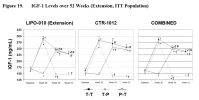
You have to monitor IGF-1 to gauge your risk. It's not IUs that determine it.
In general, from the very thin evidence we have, below 1.3x upper limit of normal IGF-1 doesn't cause issues for many years, and may be able to run indefinitely. 2x and above has caused acromegalic features to become initially noticeable in 2 years, and strongly developed by 5. So if you're going above 1.3x upper limit IGF-1 for your age, but below 2x, you might be ok, or you might be on borrowed time depending on how long you stay at that elevated level.
After stopping, bone changes don't reverse. Connective tissue can partially reverse. Soft tissue may fully reverse.
Probably best to take a pic of your face every 3-6 months to monitor for changes. because it's so slow and subtle. People who get pituitary tumors and become acromegalic often have a delayed diagnosis for 5 years or more since they didn't notice their face changing. (often someone else has to point it out).