There isn't any good long term human data on these GLP-1/GIP agonist drugs, most of what we know comes from studies on rodents so I'm going to post my thoughts about why some of these drugs may be doing more harm than good, especially in lean, insulin sensitive individuals.
I'll break it into a few parts, and why Tirz is probably much safer and better over the long term than Reta.
1. GIP is not your friend.
GIP isn’t being discussed nearly as much as GLP-1 in fitness contexts, even though many of the newest incretin drugs now deliberately agonize the GIP receptor alongside GLP-1. I want to lay out why I’m not convinced this is automatically a good thing for those who aren't fat as fuck.
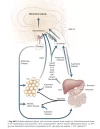
Before the current popularity of dual- and multi-agonist drugs — like tirzepatide and retatrutide — GIP was originally dubbed in the literature as the obesity hormone. GIP's normal physiological role after eating is to promote fat storage in adipose tissue.
In white adipose tissue, GIP signaling tends to suppress lipolysis and promote lipid storage, causing increases in white adipose fat mass under caloric excess.
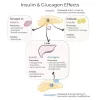
There is evidence in rats that GIP shifts insulin sensitivity in a tissue specific way, reducing insulin sensitivity in muscle, liver and brown adipose tissue, and increasing insulin sensitivity in WAT.
In rodents, CNS GIP signalling has been linked to increased neuroinflammatory signalling, and reduced leptin responsiveness in appetite-regulating centers, so it is eventually de-sensitizing you to the master satiety hormone, a condition seen in obesity.
Finally GIP is described as supporting pancreatic beta-cell proliferation and survival, which is one of the reasons it’s viewed positively in diabetes treatment. However, there is also evidence that chronic overstimulation of the GIP pathway can lead to receptor desensitization and reduced effectiveness over time.
The point is that GIP's role is not a fat loss support hormone, it is a fat storage hormone which makes me question whether strong GIP agonism is helpful or actually harmful for people without existing obesity & insulin resistance.
I'll break it into a few parts, and why Tirz is probably much safer and better over the long term than Reta.
1. GIP is not your friend.
GIP isn’t being discussed nearly as much as GLP-1 in fitness contexts, even though many of the newest incretin drugs now deliberately agonize the GIP receptor alongside GLP-1. I want to lay out why I’m not convinced this is automatically a good thing for those who aren't fat as fuck.
Before the current popularity of dual- and multi-agonist drugs — like tirzepatide and retatrutide — GIP was originally dubbed in the literature as the obesity hormone. GIP's normal physiological role after eating is to promote fat storage in adipose tissue.
In white adipose tissue, GIP signaling tends to suppress lipolysis and promote lipid storage, causing increases in white adipose fat mass under caloric excess.
There is evidence in rats that GIP shifts insulin sensitivity in a tissue specific way, reducing insulin sensitivity in muscle, liver and brown adipose tissue, and increasing insulin sensitivity in WAT.
In rodents, CNS GIP signalling has been linked to increased neuroinflammatory signalling, and reduced leptin responsiveness in appetite-regulating centers, so it is eventually de-sensitizing you to the master satiety hormone, a condition seen in obesity.
Finally GIP is described as supporting pancreatic beta-cell proliferation and survival, which is one of the reasons it’s viewed positively in diabetes treatment. However, there is also evidence that chronic overstimulation of the GIP pathway can lead to receptor desensitization and reduced effectiveness over time.
The point is that GIP's role is not a fat loss support hormone, it is a fat storage hormone which makes me question whether strong GIP agonism is helpful or actually harmful for people without existing obesity & insulin resistance.