Different effects from different GH brands

Supraphysiological GH levels is associated (see acromegaly) with osteoarthritis incidence and severity, arthalgia (bone pain), soft-tissue swelling leading to nerve entrapment, etc.

At 2 IU daily you may be d3d3-GHR homozygous (genotype influencing sensitivity to rhGH; many report rapid onset of negative side effects), or perhaps your estradiol levels are very high (causing increased IGFBP-1 & thereby reducing free IGF-I availability and endogenously unleashing GH secretion by feedback withdrawal, tending to increase side effects at the expense of reduced benefits of rhGH).

RhGH is associated with increased collagen type I & III activity (reflecting changes in tendon, ligaments & bone), but this is not necessarily conducive to benefits per se. It can be detrimental, and lead to pathology (see acromegaly, again).
Is Genotropin RhGH?
Are type I & III collagen the bad type of collagen that actually weakens connective tissue?
 
Is Genotropin RhGH?
Are type I & III collagen the bad type of collagen that actually weakens connective tissue?
Genotropin is rhGH (recombinant human growth hormone; 22-kDa GH; Somatropin), yes.

Type I collagen and type III collagen are not "bad types of collagen." Cells and tissues do not have moral values but generally serve some evolutionarily-selected function. Net type I collagen synthesis reflects deposition of bone (reflecting increased bone mineral density) and net type III collagen synthesis reflects deposition of tendon, ligament, extracellular matrix. Rather than "weakening" connective tissues, excess type III collagen deposition as an illustration, can stiffen the tendon, making it more conducive to force transmission (performance enhancing in high velocity movements and in maximal strength also) but also increasing susceptibility to catastrophic injury.

However, in excess, you see the already mentioned side effects (arthralgia, osteoarthritis, soft-tissue swelling leading to nerve entrapments, bony overgrowth, etc.) Some users are more susceptible to these harms than others.

I'm generally bullish on rhGH but it's a pluripotent polypeptide and its logical use isn't so straightforward as "X IU = swole as fuck bro." It requires a balancing of tradeoffs (risk/reward considerations).
 
To provide some input on this, Norditropins (though I cannot guarantee genuine) tested like 10% lower purity than Genotropins (again, same stuff, though).

I've been testing gianormous amounts of what I believe to be genuine pharma HGH recently and there appear to be massive differences between the manufacturers. From about 85 to 98% on my testing.
 
To provide some input on this, Norditropins (though I cannot guarantee genuine) tested like 10% lower purity than Genotropins (again, same stuff, though).

I've been testing gianormous amounts of what I believe to be genuine pharma HGH recently and there appear to be massive differences between the manufacturers. From about 85 to 98% on my testing.
I know that generally Norditropin (e.g., NordiFlex) should be shipped on dry ice as they generally must be kept between 36°F to 46°F prior to reconstitution, whereas Genotropin is more resilient unreconstituted as a dry lyophilized powder. So with clandestinely shipping the former you're likely to see some potency loss. IMO the most relevant factor.
 
Genotropin is rhGH (recombinant human growth hormone; 22-kDa GH; Somatropin), yes.

Type I collagen and type III collagen are not "bad types of collagen." Cells and tissues do not have moral values but generally serve some evolutionarily-selected function. Net type I collagen synthesis reflects deposition of bone (reflecting increased bone mineral density) and net type III collagen synthesis reflects deposition of tendon, ligament, extracellular matrix. Rather than "weakening" connective tissues, excess type III collagen deposition as an illustration, can stiffen the tendon, making it more conducive to force transmission (performance enhancing in high velocity movements and in maximal strength also) but also increasing susceptibility to catastrophic injury.

However, in excess, you see the already mentioned side effects (arthralgia, osteoarthritis, soft-tissue swelling leading to nerve entrapments, bony overgrowth, etc.) Some users are more susceptible to these harms than others.

I'm generally bullish on rhGH but it's a pluripotent polypeptide and its logical use isn't so straightforward as "X IU = swole as fuck bro." It requires a balancing of tradeoffs (risk/reward considerations).
I actually got quite a bit of pain on the insides of both knees when on 2iu/day of Genotropin. When I lowered the dose to 1iu/day, my knees felt fine again.
I also put on 5lbs of water weight on 2iu/day and experienced absolutely no strength increase. I have concluded that GH actually puts an athlete who needs good power to weight ratio at a disadvantage.
On the topic of collagen synthesis, what type of collagen does Oxandrolone increase?
I was under the impression that both oxandrolone and GH strengthens connective tissues and makes athletes less prone to catastrophic injury such as a tendon rupture?
 
I actually got quite a bit of pain on the insides of both knees when on 2iu/day of Genotropin. When I lowered the dose to 1iu/day, my knees felt fine again.
I also put on 5lbs of water weight on 2iu/day and experienced absolutely no strength increase. I have concluded that GH actually puts an athlete who needs good power to weight ratio at a disadvantage.
On the topic of collagen synthesis, what type of collagen does Oxandrolone increase?
I was under the impression that both oxandrolone and GH strengthens connective tissues and makes athletes less prone to catastrophic injury such as a tendon rupture?
Var Type 1-2-3 but more so type 3 collagen which when laid to fast results in scar tissue being built up at a quicker rate and without type 1 collagen it’s far worse and easier to tear again.
 
I actually got quite a bit of pain on the insides of both knees when on 2iu/day of Genotropin. When I lowered the dose to 1iu/day, my knees felt fine again.
I also put on 5lbs of water weight on 2iu/day and experienced absolutely no strength increase. I have concluded that GH actually puts an athlete who needs good power to weight ratio at a disadvantage.
On the topic of collagen synthesis, what type of collagen does Oxandrolone increase?
I was under the impression that both oxandrolone and GH strengthens connective tissues and makes athletes less prone to catastrophic injury such as a tendon rupture?
Oxandrolone augments early response of bone ALP and PICP, both associated with bone formation, but not in PIIINP, a marker of soft tissue turnover, or ICTP, a marker of bone collagen breakdown (i.e., it is associated with type I collagen synthesis [indirectly]). This suggests that oxandrolone may, either directly or indirectly, affect osteoblast proliferation and chondrocyte proliferation and maturation.

Again, your impression is flawed. The effects of AAS (including oxandrolone) with respect to mechanical, structural, and biologic effects on tendon are if anything unclear. If you'd like to gain an appreciation for the divergent effects, see Table 2 from Jones, I. A., Togashi, R., Rick Hatch, G. F., Weber, A. E., & Vangsness JR, C. T. (2018). Anabolic Steroids and Tendons: A Review of their Mechanical, Structural and Biologic Effects. Journal of Orthopaedic Research®. doi:10.1002/jor.24116

The effects of GH on tendon is generally to increase collagen synthesis in the extracellular
matrix (ECM), increasing maximal & high-velocity strength (force transfer from sarcomere to bone; tendon stiffness). By this same effect, it also increases risk of tendon rupture.
 
Evidence?
Here is deca

Some interesting theories have been suggested as why heavy anabolic steroid use can cause tendon injury, which is based around cortisol production and AAS. Researches have demonstrated that AAS combined with tension overload reduced MMP2 activity (MMP2 is a gene responsible for collagen production) and increased serum values of cortisol.(4) During cortisol treatment, the serum levels of genes responsible for collagen production decrease, suggesting that cortisol suppresses the synthesis of collagen production.(5) The reduction in genes for collagen and tendons have been speculated as to why AAS makes bodybuilders susceptible to injuries. New research links the use of high doses of anabolic steroids to tendon and collagen dysfunction, which may make a bodybuilder think twice about training heavily while using anabolics.

GENE EXPRESSION IN TENDS/COLLAGEN AFTER HEAVY AAS USE

Researchers in the European Journal of Applied Physiology examined how heavy use of the anabolic steroid Deca-Durabolin affected collagen strength in rats. The rats were separated into two groups: natural training and training with heavy anabolic steroid use. The dose the researchers administered to the rats was considered supra-physiological – Deca-Durabolin (nandrolone decanoate) 5mg/kg of bodyweight.

The rats were cleverly forced to perform resistance exercise, but you can’t just tell a rat to start benching – so the researchers attached weights to the rats’ backs. They dropped the rats into a tank of water and the rats immediately jumped out of the water as soon as they were dunked. Every week, the researchers gradually made the weight on the rats’ backs heavier and heavier until at the end of seven weeks the weight was 80 percent of their bodyweight. The researchers dropped the rats in the tank so that they performed this for 4 sets x 10 repetitions of “jumps” with 30-second rest periods. After that, they rats were sacrificed and the rats’ tendons and collagen were examined for gene expression.

There were some very interesting findings after seven weeks of training with anabolic steroids, compared with the natty (natural) group of rats. The natty group did not have any biochemical changes in the rat tendon/collagen properties, while the anabolic steroid group had major changes.(6) The Deca-Durabolin group had reduced biochemical properties of genes involving tendon and collagen strength.

It is interesting to note that AAS administration reduced the accumulation of IGF-1 mRNA levels in some tendon regions, compared to the non-treated, trained group. This decrease of IGF-1 mRNA levels induced by AAS administration may be related to the observed decreases collagen expression when considering the possible connection between IGF-1 and collagen synthesis.(8) The AAS treatment also decreased the MMP-2 mRNA expression (this gene encodes an enzyme for collagen).

The above study is similar to another recently published study, which showed that nandrolone impaired the healing of rotator cuffs of rabbits. In the latter study, male rabbits underwent an incision in the rotator cuff and were divided into groups with anabolic steroids (nandrolone decanoate, 10mg/kg) and natural recovery. Groups that did not receive anabolic steroids showed better healing and more tendon strength compared to groups that received anabolic steroids. Microscopic examination of specimens from the groups with anabolic steroid use showed focal fibroblastic reaction and inflammation, suggesting an impaired healing response.(7)

The key point is that many of these studies were using supraphysiological dosages of steroids that could be like the typical Olympia stack – but the new research suggests that a high-volume approach to training with less weight may be a better approach to use for a bodybuilder than a high-intensity, heavy weight program that puts more stress on the tendons and makes them more susceptible to injury.

By Robbie Durand, M.A., Senior Science Editor of Muscular Development


References:

1. Evans NA, Bowrey DJ, Newman GR (1998) Ultrastructural analysis of ruptured tendon from anabolic steroid users. Injury, 29:769-773.
2: Marqueti RC, Prestes J, Paschoal M, Ramos OH, Perez SE, Carvalho HF, Selistre-de-Araujo HS (2008) Matrix metallopeptidase 2 activity in tendon regions: effects of mechanical loading exercise associated to anabolic-androgenic steroids, Eur J Appl Physiol, 104:1087-1093.
3: Marqueti RC, Prestes J, Wang CC, Ramos OH, Perez SE, Nakagaki WR, Carvalho HF, Selistre-de-Araujo HS (2010). Biomechanical responses of different rat tendons to nandrolone decanoate and load exercise. Scand J Med Sci Sports, 29.
4: Marqueti RC, Parizotto NA, Chriguer RS, Perez SEA, Selistre-de-Araujo HS (2006) Androgenic-anabolic steroids associated with mechanical loading inhibit matrix metallopeptidase activity and affect the remodeling of the Achilles tendon in rats. Am J Sport Med, 34:1274-1280.
5: Oikarinen A, Autio P, Vuori J, Va¨a¨na¨nen K, Risteli L, Kiistala U, Risteli J (1992) Systemic glucocorticoid treatment decreases serum concentrations of carboxyterminal propeptide of type I procollagen and aminoterminal propeptide of type III procollagen. Br J Dermatol, 126:172-178.
6: Marqueti RC, Heinemeier KM, Durigan JL, de Andrade Perez SE, Schjerling P, Kjaer M, Carvalho HF, Selistre-de-Araujo HS. Erratum to: Gene expression in distinct regions of rat tendons in response to jump training combined with anabolic androgenic steroid administration. Eur J Appl Physiol, 2011 Sep 8.
7: Papaspiliopoulos A, Papaparaskeva K, Papadopoulou E, Feroussis J, Papalois A, Zoubos A. The effect of local use of nandrolone decanoate on rotator cuff repair in rabbits. J Invest Surg, 2010 Aug;23(4):204-7.
8: Heinemeier KM, Olesen JL, Schjerling P, Hassad F, Langberg H, Baldwin KM, Kjaer M (2007b) Short-term strength training and the expression of myostatin and IGF-1 isoforms in rat muscle and tendon: differential effects of specific contraction types. J Appl Physiol, 102:573-581.
 
Plenty studies of steroids worsening tendons in monkey trial they act just like cortisone and weaken them go and get a ultrasound mri of your tendons they will look brittle
Copy paste

To plan a cycle where the goal is to increase skeletal muscle mass/strength while at the same time increase joint/tendon/ligament strength, enough to keep up with the dramatic increase in skeletal muscle, you must choose drugs like Eq, Deca, Anavar, or Primo as the base of your cycle. Testosterone and its esters can be added to your cycle to keep levels within a 'normal' physiological range (ie, 100-200 mg/wk) but must not go above this. Since drugs like eq, deca, anavar and primo will reduce endogenous, natural levels of test, these levels may be maintained with exogenous test in the 100-200 mg/wk range. Test at this dose will not inhibit collagen syn, but paradoxically, will help increase it. It is when exogenous testosterone is used > 200 mg/wk that collagen syn is inhibited.

Deca @ 3 mg/kg a week(about 270 mg/wk for a 200 lb male) will increase procollagen III levels by 270% by week 2. Procollagen III is a primary indicator used to determine the rate of collagen syn. As you can see, deca is a very good drug at giving you everything you want -- an increase in collagen syn, an increase in skeletal muscle, and increases in bone mass and density. The one thing it does not give you is wood

Primobolan, @ 5 mg/kg, will increase collagen synthesis by roughly 180% -- less than deca and equipoise but still substantial.

Equipoise @ 3 mg/kg will increase procollagen III by approximately 340% -- slightly better than deca.

Oxandrolone has over a hundred studies documenting its effectiveness at treating patients needing rapid increases in collagen syn to enhance healing.

These drugs have longer half-lives than most other AAS, so this should be considered when timing your post cycle clomid use. Here they are:

Deca: 15 days Equipoise: 14 days Primobolan: 10.5 days

Anavar has a half-life of only 8 hours so it should not pose a problem.

GH is probably the most remarkable drug at increasing collagen synthesis. It increases collagen syn in a dose dependant manner -- the more you use, the more you will increase collagen syn. It has also demonstrated this ability in short and long term studies. From what I've read, hGH at 6 iu/day increased the collagen deposition rate by around 250% in damaged collagen structures. This result indicates that the increased biomechanical strength of wounds to collagen structures treated with biosynthetic human growth hormone was produced by an increased deposition of collagen in the collagen structures.

Eq, primo, anavar, and deca are all good -- they increase several biomakers of collagen syn -- ie, type III, II, I, procollagen markers. GH just seems to do so most dramatically.

Use of any of these drugs @ supra-physiological levels with a maintenance dose of test will increase collagen syn while at the same time increase skeletal muscle mass. Skeletal muscle mass gains will not be as dramatic as with large testosterone doses but you have to weigh the risk/reward basis for yourself. Also, these drugs do not satisfy the libido like testosterone, but that is not the point of this thread. It is only to demonstrate that you can increase skeletal muscle and collagen syn at the same time with certain AAS, the decision is up to you.
 
Evidence?
A normal ligament consists of:

90% Type 1 collagen
9% Type 3 collagen
1% fibroblast cells (the cells that produce collagen)
Type 1 collagen is mature collagen tissue and has the greatest tensile strength. Type 3 collagen is immature collagen tissue and does not provide a great deal of tensile strength to the ligament. After being laid down by fibroblast cells it takes approximately three months for Type 3 collagen to mature into Type 1 collagen. As with other cells in the body, this process of renewal occurs continually.
type 1 collagen which makes up 90% of the tendon.
 
Plenty studies of steroids worsening tendons in monkey trial they act just like cortisone and weaken them go and get a ultrasound mri of your tendons they will look brittle
Ruh roh. This is going to get good.
Here is deca

Some interesting theories have been suggested as why heavy anabolic steroid use can cause tendon injury, which is based around cortisol production and AAS. Researches have demonstrated that AAS combined with tension overload reduced MMP2 activity (MMP2 is a gene responsible for collagen production) and increased serum values of cortisol.(4) During cortisol treatment, the serum levels of genes responsible for collagen production decrease, suggesting that cortisol suppresses the synthesis of collagen production.(5) The reduction in genes for collagen and tendons have been speculated as to why AAS makes bodybuilders susceptible to injuries. New research links the use of high doses of anabolic steroids to tendon and collagen dysfunction, which may make a bodybuilder think twice about training heavily while using anabolics.

GENE EXPRESSION IN TENDS/COLLAGEN AFTER HEAVY AAS USE

Researchers in the European Journal of Applied Physiology examined how heavy use of the anabolic steroid Deca-Durabolin affected collagen strength in rats. The rats were separated into two groups: natural training and training with heavy anabolic steroid use. The dose the researchers administered to the rats was considered supra-physiological – Deca-Durabolin (nandrolone decanoate) 5mg/kg of bodyweight.

The rats were cleverly forced to perform resistance exercise, but you can’t just tell a rat to start benching – so the researchers attached weights to the rats’ backs. They dropped the rats into a tank of water and the rats immediately jumped out of the water as soon as they were dunked. Every week, the researchers gradually made the weight on the rats’ backs heavier and heavier until at the end of seven weeks the weight was 80 percent of their bodyweight. The researchers dropped the rats in the tank so that they performed this for 4 sets x 10 repetitions of “jumps” with 30-second rest periods. After that, they rats were sacrificed and the rats’ tendons and collagen were examined for gene expression.

There were some very interesting findings after seven weeks of training with anabolic steroids, compared with the natty (natural) group of rats. The natty group did not have any biochemical changes in the rat tendon/collagen properties, while the anabolic steroid group had major changes.(6) The Deca-Durabolin group had reduced biochemical properties of genes involving tendon and collagen strength.

It is interesting to note that AAS administration reduced the accumulation of IGF-1 mRNA levels in some tendon regions, compared to the non-treated, trained group. This decrease of IGF-1 mRNA levels induced by AAS administration may be related to the observed decreases collagen expression when considering the possible connection between IGF-1 and collagen synthesis.(8) The AAS treatment also decreased the MMP-2 mRNA expression (this gene encodes an enzyme for collagen).

The above study is similar to another recently published study, which showed that nandrolone impaired the healing of rotator cuffs of rabbits. In the latter study, male rabbits underwent an incision in the rotator cuff and were divided into groups with anabolic steroids (nandrolone decanoate, 10mg/kg) and natural recovery. Groups that did not receive anabolic steroids showed better healing and more tendon strength compared to groups that received anabolic steroids. Microscopic examination of specimens from the groups with anabolic steroid use showed focal fibroblastic reaction and inflammation, suggesting an impaired healing response.(7)

The key point is that many of these studies were using supraphysiological dosages of steroids that could be like the typical Olympia stack – but the new research suggests that a high-volume approach to training with less weight may be a better approach to use for a bodybuilder than a high-intensity, heavy weight program that puts more stress on the tendons and makes them more susceptible to injury.

By Robbie Durand, M.A., Senior Science Editor of Muscular Development


References:

1. Evans NA, Bowrey DJ, Newman GR (1998) Ultrastructural analysis of ruptured tendon from anabolic steroid users. Injury, 29:769-773.
2: Marqueti RC, Prestes J, Paschoal M, Ramos OH, Perez SE, Carvalho HF, Selistre-de-Araujo HS (2008) Matrix metallopeptidase 2 activity in tendon regions: effects of mechanical loading exercise associated to anabolic-androgenic steroids, Eur J Appl Physiol, 104:1087-1093.
3: Marqueti RC, Prestes J, Wang CC, Ramos OH, Perez SE, Nakagaki WR, Carvalho HF, Selistre-de-Araujo HS (2010). Biomechanical responses of different rat tendons to nandrolone decanoate and load exercise. Scand J Med Sci Sports, 29.
4: Marqueti RC, Parizotto NA, Chriguer RS, Perez SEA, Selistre-de-Araujo HS (2006) Androgenic-anabolic steroids associated with mechanical loading inhibit matrix metallopeptidase activity and affect the remodeling of the Achilles tendon in rats. Am J Sport Med, 34:1274-1280.
5: Oikarinen A, Autio P, Vuori J, Va¨a¨na¨nen K, Risteli L, Kiistala U, Risteli J (1992) Systemic glucocorticoid treatment decreases serum concentrations of carboxyterminal propeptide of type I procollagen and aminoterminal propeptide of type III procollagen. Br J Dermatol, 126:172-178.
6: Marqueti RC, Heinemeier KM, Durigan JL, de Andrade Perez SE, Schjerling P, Kjaer M, Carvalho HF, Selistre-de-Araujo HS. Erratum to: Gene expression in distinct regions of rat tendons in response to jump training combined with anabolic androgenic steroid administration. Eur J Appl Physiol, 2011 Sep 8.
7: Papaspiliopoulos A, Papaparaskeva K, Papadopoulou E, Feroussis J, Papalois A, Zoubos A. The effect of local use of nandrolone decanoate on rotator cuff repair in rabbits. J Invest Surg, 2010 Aug;23(4):204-7.
8: Heinemeier KM, Olesen JL, Schjerling P, Hassad F, Langberg H, Baldwin KM, Kjaer M (2007b) Short-term strength training and the expression of myostatin and IGF-1 isoforms in rat muscle and tendon: differential effects of specific contraction types. J Appl Physiol, 102:573-581.
This I have read, it has to to with Deca (not Var). Thus, it does not support your claim that:
Var Type 1-2-3 but more so type 3 collagen which when laid to fast results in scar tissue being built up at a quicker rate and without type 1 collagen it’s far worse and easier to tear again.
Copy paste

To plan a cycle where the goal is to increase skeletal muscle mass/strength while at the same time increase joint/tendon/ligament strength, enough to keep up with the dramatic increase in skeletal muscle, you must choose drugs like Eq, Deca, Anavar, or Primo as the base of your cycle. Testosterone and its esters can be added to your cycle to keep levels within a 'normal' physiological range (ie, 100-200 mg/wk) but must not go above this. Since drugs like eq, deca, anavar and primo will reduce endogenous, natural levels of test, these levels may be maintained with exogenous test in the 100-200 mg/wk range. Test at this dose will not inhibit collagen syn, but paradoxically, will help increase it. It is when exogenous testosterone is used > 200 mg/wk that collagen syn is inhibited.

Deca @ 3 mg/kg a week(about 270 mg/wk for a 200 lb male) will increase procollagen III levels by 270% by week 2. Procollagen III is a primary indicator used to determine the rate of collagen syn. As you can see, deca is a very good drug at giving you everything you want -- an increase in collagen syn, an increase in skeletal muscle, and increases in bone mass and density. The one thing it does not give you is wood

Primobolan, @ 5 mg/kg, will increase collagen synthesis by roughly 180% -- less than deca and equipoise but still substantial.

Equipoise @ 3 mg/kg will increase procollagen III by approximately 340% -- slightly better than deca.

Oxandrolone has over a hundred studies documenting its effectiveness at treating patients needing rapid increases in collagen syn to enhance healing.

These drugs have longer half-lives than most other AAS, so this should be considered when timing your post cycle clomid use. Here they are:

Deca: 15 days Equipoise: 14 days Primobolan: 10.5 days

Anavar has a half-life of only 8 hours so it should not pose a problem.

GH is probably the most remarkable drug at increasing collagen synthesis. It increases collagen syn in a dose dependant manner -- the more you use, the more you will increase collagen syn. It has also demonstrated this ability in short and long term studies. From what I've read, hGH at 6 iu/day increased the collagen deposition rate by around 250% in damaged collagen structures. This result indicates that the increased biomechanical strength of wounds to collagen structures treated with biosynthetic human growth hormone was produced by an increased deposition of collagen in the collagen structures.

Eq, primo, anavar, and deca are all good -- they increase several biomakers of collagen syn -- ie, type III, II, I, procollagen markers. GH just seems to do so most dramatically.

Use of any of these drugs @ supra-physiological levels with a maintenance dose of test will increase collagen syn while at the same time increase skeletal muscle mass. Skeletal muscle mass gains will not be as dramatic as with large testosterone doses but you have to weigh the risk/reward basis for yourself. Also, these drugs do not satisfy the libido like testosterone, but that is not the point of this thread. It is only to demonstrate that you can increase skeletal muscle and collagen syn at the same time with certain AAS, the decision is up to you.
Nonsense from Reddit.
A normal ligament consists of:

90% Type 1 collagen
9% Type 3 collagen
1% fibroblast cells (the cells that produce collagen)
Type 1 collagen is mature collagen tissue and has the greatest tensile strength. Type 3 collagen is immature collagen tissue and does not provide a great deal of tensile strength to the ligament. After being laid down by fibroblast cells it takes approximately three months for Type 3 collagen to mature into Type 1 collagen. As with other cells in the body, this process of renewal occurs continually.
type 1 collagen which makes up 90% of the tendon.
Are we now talking about ligament, which connects bone to bone, and not tendon, which connects muscle to bone?

Anyhow, both are sinews. In both, the majority of dry weight is collagen: 60 - 85% (tendon) & ~75% (ligament). Of this collagen, most is type I: 60% (tendon) & up to 85% (ligament).

Virtually every pseudo-factoid you've posted has been wrong. Every reply you've made has been irrelevant. And nothing you've written has been original (from you).

Can you actually just send me, or accept that it doesn't exist, some supporting authoritative source (not Reddit bullshit) for your claim(s) that:

"Var [stimulates collagens] Type 1-2-3 but more so type 3 collagen which when laid to fast results in scar tissue being built up at a quicker rate and without type 1 collagen it’s far worse and easier to tear again?"
 
Last edited:
Ruh roh. This is going to get good.

This I have read, it has to to with Deca (not Var). Thus, it does not support your claim that:


Nonsense from Reddit.

Are we now talking about ligament, which connects bone to bone, and not tendon, which connects muscle to bone?

Anyhow, both are sinews. In both, the majority of dry weight is collagen: 60 - 85% (tendon) & ~75% (ligament). Of this collagen, most is type I: 60% (tendon) & up to 85% (ligament).

Virtually every pseudo-factoid you've posted has been wrong. Every reply you've made has been irrelevant. And nothing you've written has been original (from you).

Can you actually just send me, or accept that it doesn't exist, some supporting authoritative source (not Reddit bullshit) for your claim(s) that:

"Var [stimulates collagens] Type 1-2-3 but more so type 3 collagen which when laid to fast results in scar tissue being built up at a quicker rate and without type 1 collagen it’s far worse and easier to tear again?"
Mate it’s basic common sense what do you mean study I’ve given you that steroids impair healing and DONT help tendons var included if you understand repair you know you repair and produce scar tissue if you speed this up even with tb500 bpc steroids it won’t be as elastic again do you understand ?

I’m not here claiming to be some guru but your reply to above shows you only reply to information you know and can’t reply to information you’ve not seen.

Like glp1 myostatin etc.

Reddit it’s of professional muscle and obviously like all study’s you’ve read online and then put on here from what you’ve read ffs lol

Steroids favoured more type 3 from what I’ve read am I wrong do they produce type 1 collagen more ??
 
Last edited:
Mate it’s basic common sense what do you mean study I’ve given you that steroids impair healing and DONT help tendons var included if you understand repair you know you repair and produce scar tissue if you speed this up even with tb500 bpc steroids it won’t be as elastic again do you understand ?

I’m not here claiming to be some guru but your reply to above shows you only reply to information you know and can’t reply to information you’ve not seen.

Like glp1 myostatin etc.

Reddit it’s of professional muscle and obviously like all study’s you’ve read online and then put on here from what you’ve read ffs lol

Steroids favoured more type 3 from what I’ve read am I wrong do they produce type 1 collagen more ??
There's absolutely nothing "common sense" about AAS effects on tendon.

To illustrate the conflictory findings on AAS effects on tendon, see the following Table from Jones, I. A., Togashi, R., Rick Hatch, G. F., Weber, A. E., & Vangsness JR, C. T. (2018). Anabolic Steroids and Tendons: A Review of their Mechanical, Structural and Biologic Effects. Journal of Orthopaedic Research®. doi:10.1002/jor.24116:
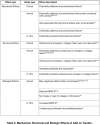
AAS-tendon-effects-mechanical-structural-biologic-effects-Table.MesoRX.png
Across mechanical, structural, and biologic effects, the clinical, animal, and in vitro data gives us... a muddled picture of effects ranging from none, to potentially beneficial, to potentially harmful.

Repair processes and deposition of collagen ("scar tissue") in skeletal muscle results from injury (myogenesis; muscle repair).

That is to say, if on the one hand, as you posit, AAS deposit type III collagen in skeletal muscle; then, it follows that AAS enhance healing (because collagen deposition in muscle is the result of muscle repair/myogenesis).

One of us misunderstands muscle repair indeed.

Look --

AAS enhance soft tissue interstitial fibril biosynthesis (not specifically in skeletal muscle [where collagen deposition would be consistent with muscle repair processes], but in tendon & ligament, and it's an open question whether AAS deposits your type III collagen into skeletal muscle at all, because of measurement methodology [looking at serum and urinary markers like PIINP & HP:LP]. These serum and urinary markers, rather than direct measurement, are necessary because nobody is willing to have their muscles biopsied - or excised - for this.

If BPC157 accelerates musculoskeletal soft tissue healing, it may well do so by similar mechanisms as AAS (we don't yet know how BPC157 achieves this; and we are only in recent years gaining an appreciation for AAS effects on tendon and ligament).

The Hatch Trial [clinicaltrials.gov, link], currently underway, is a registered Clinical Trial, to investigate the efficacy of oxandrolone to benefit rotator cuff repair.

Thomas, et al. [1] found that testosterone supplementation benefits ACL reconstruction. This finding was bolstered by the replication by Wu, et al. [2] using testosterone peri-operatively.

The genesis of these works was the pioneering works of Gerber, et al. ([3] & [4]), showing that nandrolone prevented fatty infiltration & lowered functional muscle impairment in rotator cuff repair, effectively - read closely - reducing muscle damage and degeneration (i.e., enhancing muscle repair).
AAS don't "favor" the "bad" type III collagen. They do increase hydroxylysylpyridinoline (HP; a urinary marker), that reflects turnover of collagens type I (bone), II, III & IX; present in tendon, cartilage, bone, vessel walls & dentine. They further augment
procollagen Type III N-terminal propeptide (PIIINP), a marker of interstitial fibril biosynthesis in soft tissues, that is highly relevant to sport. Type III collagen is that which is stimulated by fast movement/velocity training in tendon, where stiffness benefits velocity. However, this effect on tendon stiffness necessitates that muscular strength adaptations must compensate for the heightened risk of muscular strain due to excessive tendon stiffness.

It is my view that increased tendon stiffness in conjunction with increased muscular strength is adaptive. Increasing both tendon stiffness & muscular strength in conjunction leads to less risk of excessive strain and gives us great performance/strength outcomes.

Intelligent training and programming is the solution to any heightened risks with AAS on tendon rupture.

P.S. Reddit is unreadable due to its idiocy, and I'm always happy to converse in depth about Mst (MSTN, gene) & GLP-1 agonists/incretins generally.

__________
References:
[1] Thomas AC, Villwock M, Wojtys EM, Palmieri-Smith RM. Lower extremity muscle strength after anterior cruciate ligament injury and reconstruction. J Athl Train. 2013 Sep-Oct;48(5):610-20. doi: 10.4085/1062-6050-48.3.23.
[2] Wu B, Lorezanza D, Badash I, Berger M, Lane C, Sum JC, Hatch GF 3rd, Schroeder ET. Perioperative Testosterone Supplementation Increases Lean Mass in Healthy Men Undergoing Anterior Cruciate Ligament Reconstruction: A Randomized Controlled Trial. Orthop J Sports Med. 2017 Aug 9;5(8):2325967117722794. doi: 10.1177/2325967117722794.
[3] Gerber C, Meyer DC, Nuss KM, Farshad M. Anabolic steroids reduce muscle damage caused by rotator cuff tendon release in an experimental study in rabbits. J Bone Joint Surg Am. 2011 Dec 7;93(23):2189-95. doi: 10.2106/JBJS.J.01589.
[4] Gerber C, Meyer DC, Flück M, Benn MC, von Rechenberg B, Wieser K. Anabolic Steroids Reduce Muscle Degeneration Associated With Rotator Cuff Tendon Release in Sheep. Am J Sports Med. 2015 Oct;43(10):2393-400. doi: 10.1177/0363546515596411.

 
So, wrapping this up hopefully, what seems to be unique to oxandrolone (Var) is that it preferentially stimulates type I rather than type III collagen. Generally, AAS stimulate type I & III (but III > I) collagen. RhGH stimulates both type I & III collagen. You, then, might view oxandrolone as beneficial to bone metabolism; AAS & rhGH on the other hand enhance soft tissue metabolism more generally (with less clear benefits). Certainly, rhGH+oxandrolone > rhGH+Test > rhGH > placebo in ΔPIINP.
 
So, wrapping this up hopefully, what seems to be unique to oxandrolone (Var) is that it preferentially stimulates type I rather than type III collagen. Generally, AAS stimulate type I & III (but III > I) collagen. RhGH stimulates both type I & III collagen. You, then, might view oxandrolone as beneficial to bone metabolism; AAS & rhGH on the other hand enhance soft tissue metabolism more generally (with less clear benefits). Certainly, rhGH+oxandrolone > rhGH+Test > rhGH > placebo in ΔPIINP.
Apologies that was a great post I didn’t know only from what I read but this cleared it right up appreciated
 
Last edited:
Would you say that the use if both var and GH even in low doses in a track and field athlete with a history of tendinopathy would be a mistake?
 
Has anyone reading this noticed an increase tendon or ligament pain from GH?
My tendons as well as the inside of my knee (ligament) have been hurting more since I've been using genotropin at just a replacement dose of 2iu/day.
I wonder if the GH is responsible?
I thought low dose GH was supposed to be beneficial for tendons and ligaments?
Any gh high in dimer does this to me I get it in my ankles and forearms bad, once I switched to.a product without dimer the pain went away
 
Back
Top
