interesting. ive always used 5mg nebivolol with 80mg telmisartan but clonidine and cilnidipine have definitely sparked my interest. very effective. reading this makes sense though, it’s not that beta blockers are outdated, they just aren’t as much as a priority on the first lines of defense anymore.
it seems you were right about doctors preferring a polypharmacy approach to cardiovascular health over hammering one pathway, and quite frankly when put into practice, it just makes sense.
as far as diuretics, i just consume more and more potassium, and less and less sodium.
FYI for everyone:
Since I last posted various charts etc from previous guidelines, two weeks ago the American Heart Association released their massive 2025 Blood Pressure Guidelines book. This is the uber guideline that consolidates the most solid recommendations from all other guidelines issued by major health organizations worldwide. They spent several years looking at all the latest research as well, and using an evidence based approach, updated various aspects of BP treatment. The guide itself is very interesting if you really dive into it, the "lifestyle" section alone has a lot of great info on what you can expect in terms of BP improvement from various types of exercise , changes to diet, etc. (it's not as much as you think though).
Most relevant to us is that for Stage 2 hypertension, >140 Systolic or >90 Diastolic, they now advise immediately starting with medication to reduce blood pressure.
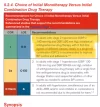
The first line treatment should a a low dose combo of 2 classes from ACE / ARB / Diuretic / CCB. Do not combine ACE/ARB.
Beta Blockers look worse and worse for outcomes as the years go by, and they advise avoiding them except for patients with chronic heart disease or heart failure.

They point out it's now clear very few people can reach healthy blood pressure on a single class of med.
For most of us without medical complications, a combo of Telm + CCB (amlodipine is most common addition in the US), is the best choice. ACE/ARB and CCB address the two most common mechanisms of hypertension, so combined they have a very high rate of effectiveness and Telm/Amlo has a low rate of sides at low doses (40/5).
Cilnidipine is the best CCB of all, but unavailable in the US and has to be bought via India Pharma, a hassle but it is cheap. For most people Amlodipine is fine, but if you start with Telm/Amlo and find it works, for the long term consider ordering some Cilnidipine or a Telm/Ciln combo. Just double the Amlodipine dose for the equivalent Cilnidipine dose.
If low dose 2x med combo still leaves you a little high, doses of one or both can be increased. If it's way off, adding third class, a diuretic, is the next step. If that's not enough it's considered "resistant hypertension" and needs a specialist to evaluate for root cause.
Seriously. if you have any questions about dealing with BP, this is the bible. Some parts are heavily technical, but a lot of its 120 pages are clear enough for a layman to understand.
It rarely gets updated, and they only do so when the American Heart Association believes there are significant changes warranted by new research. The last update was 8 years ago, and the one before that was 15 years.
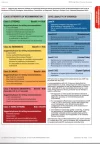
PS: You'll see color coded columns labeled COR and LOE. COR is "Strength" of the recommendation (risk to benefit) and LOE "quality of evidence" for it. Per this chart: