Weird hypoglycemic type reaction on tirzepatide in caloric deficit

Has anybody had a similar reaction to this?

Dosed yesterday and I seemed fine in the morning. Had my small breakfast.

Started driving to the gym and started having heart palpitations and anxiety. I was sweating and my hands started tingling. Had to pull over and get out of my car and walk around a bit. I wasn't relaxing at all so I headed home.

I admittedly have not been eating much. I am toying around with how much I can cut while on TIRZ and have been eating around 1200-1400 calories a day with light exercise. Entering week 5 of eating like this.

I got home and ate and was fine within like....15 minutes.

Started happening a little bit again later in the day but I just ate and relaxed and was fine.

I do not have history of diabetes or hypoglycemia.

Wondering if this has happened to anyone else.
 
Has anybody had a similar reaction to this?

Dosed yesterday and I seemed fine in the morning. Had my small breakfast.

Started driving to the gym and started having heart palpitations and anxiety. I was sweating and my hands started tingling. Had to pull over and get out of my car and walk around a bit. I wasn't relaxing at all so I headed home.

I admittedly have not been eating much. I am toying around with how much I can cut while on TIRZ and have been eating around 1200-1400 calories a day with light exercise. Entering week 5 of eating like this.

I got home and ate and was fine within like....15 minutes.

Started happening a little bit again later in the day but I just ate and relaxed and was fine.

I do not have history of diabetes or hypoglycemia.

Wondering if this has happened to anyone else.

Yes, it's a "healthy type reactive hypoglycemia".

How long have you been using Tirz (or any GLP), dose?

It's manageable, but a CGM makes it easier to dial things in quickly to avoid those effects and any fatigue.

It's caused by a combination of excellent insulin sensitivity, insulin releasing beta cells being exceptionally responsive to glucose, and suppression of the liver's normal glycogenesis response to low blood sugar.
 
I am entering week 5 of using GLP1's.

My first week was with Semaglutide and than the last 4 weeks with tirz. Started at 2.5mg and up to about 6mg.

What's a CGM?

So...this is kind of a good thing on my end. :D
 
I am entering week 5 of using GLP1's.

My first week was with Semaglutide and than the last 4 weeks with tirz. Started at 2.5mg and up to about 6mg.

What's a CGM?

So...this is kind of a good thing on my end. :D

Yes a little too much of a good thing, but the small changes needed to accommodate it will benefit your long term health on or off GLP (though you should always be on imo.

Tirz indices a state that also naturally happens with lean, very active, genetically blessed people too.

Essentially:

1. Eat something that spikes glucose.

2. GLP enhanced pancreatic beta cells immediately respond with a potent pulse of insulin.

3. GLP enhanced insulin sensitivity makes muscles soak up a massive amount of glucose very quickly.

4. This happens so quickly, before beta cells can shut off insulin in response to the now lower glucose, that blood sugar "overcorrects" inducing what's usually a mild but not dangerous hypoglycemia

5. Pancreatic alpha cells sense the need to boost blood sugar and release glucagon, which signals the liver's normal response of glycogenesis / glycogenesis to boost sugar back up.

The problem is GLP suppresses glucagon release from alpha cells, slowing the liver's usual response time to a sugar crash, so recovery takes longer, experienced as mild hypoglycemia and for some, fatigue / anhedonia.

You can see this in real time on a continuous glucose monitor.

The trick is to figure out what foods are causing the glucose spike that makes the overreaction occur, and change them for something else, combine with another ingredient to slow absorption, change amount or timing etc. Usually "high glycemic index" foods are the issue but there's a huge variation between individual metabolism, and a CGM lets you pinpoint "aha that's what's going on".

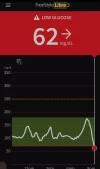
Looks something like this:

IMG_3081.webp
 
By the way, that was a vacation travel day, with a number of "problem" foods you'd expect to cause a crash, including ice cream, sugary coffee drinks, which caused the spikes earlier in the day (but no crash).

What triggered the big spike and hard hypoglycemic crash (my vision went a little blurry then I needed a nap)?

8 small french fries at the airport. That's not a typical reactive hypoglycemia triggering food (esp in that tiny amount) at all (and never happened pre-Tirz).

Because I don't like unanswered questions, digging into this I discovered I have a genetic variant that means my saliva contains an enzyme that makes potato starch a hyper-absorbable sugar.

I remember chewing the shit out of each fry to "savor" the few I allowed myself to eat, inadvertently turning them into sugar packets by doing that.

That's the kind of insight you can only really get with a CGM.
 
By the way, that was a vacation travel day, with a number of "problem" foods you'd expect to cause a crash, including ice cream, sugary coffee drinks, which caused the spikes earlier in the day (but no crash).

What triggered the big spike and hard hypoglycemic crash (my vision went a little blurry then I needed a nap)?

8 small french fries at the airport. That's not a typical reactive hypoglycemia triggering food (esp in that tiny amount) at all (and never happened pre-Tirz).

Because I don't like unanswered questions, digging into this I discovered I have a genetic variant that means my saliva contains an enzyme that makes potato starch a hyper-absorbable sugar.

I remember chewing the shit out of each fry to "savor" the few I allowed myself to eat, inadvertently turning them into sugar packets by doing that.

That's the kind of insight you can only really get with a CGM.

I know nothing about this stuff, but on sema and single digit bodyfat, I can regularly clock in the mid 60s my little test strips or on fasted blood work. I don't seem to feel weak or tired from it? Is that normal? In fact sometimes I'll go workout fasted.

It does seem like GLPs help a lot with not being weak on low blood sugar. I can go 14 hours without eating while easily being below 9%, but without GLPs I could never do that.
 
I know nothing about this stuff, but on sema and single digit bodyfat, I can regularly clock in the mid 60s my little test strips or on fasted blood work. I don't seem to feel weak or tired from it? Is that normal? In fact sometimes I'll go workout fasted.

It does seem like GLPs help a lot with not being weak on low blood sugar. I can go 14 hours without eating while easily being below 9%, but without GLPs I could never do that.

Most people "feel" hypoglycemia once glucose drops below 70.

A small subset of very sensitive people get symptoms when glucose dips below 80 (may explain why some experience severe fatigue on GLPs).

When glucose goes low often, the body adapts and symptoms become less frequent (why long term GLP users often find the fatigue goes away). It's considered normal to start feeling symptoms somewhere between 70 and 55.

However, people with long standing exposure to very low blood sugar (esp diabetics) often don't get any symptoms until much lower, dangerous levels ( <40 ). This is called "hypoglycemic unawareness", and as a side note, can be fixed with Modafinil. It restores sensitivity to hypoglycemia.
 
By the way, that was a vacation travel day, with a number of "problem" foods you'd expect to cause a crash, including ice cream, sugary coffee drinks, which caused the spikes earlier in the day (but no crash).

What triggered the big spike and hard hypoglycemic crash (my vision went a little blurry then I needed a nap)?

8 small french fries at the airport. That's not a typical reactive hypoglycemia triggering food (esp in that tiny amount) at all (and never happened pre-Tirz).

Because I don't like unanswered questions, digging into this I discovered I have a genetic variant that means my saliva contains an enzyme that makes potato starch a hyper-absorbable sugar.

I remember chewing the shit out of each fry to "savor" the few I allowed myself to eat, inadvertently turning them into sugar packets by doing that.

That's the kind of insight you can only really get with a CGM.
The saliva part is wild. You sound like a health nerd. Cool shit. Thank you for all this great information.

Is this all knowledge you have gained yourself or did you use chatgpt to curate your response?

You sound like you speak from a lot of experience which I appreciate very much.
 
Yes a little too much of a good thing, but the small changes needed to accommodate it will benefit your long term health on or off GLP (though you should always be on imo.

Tirz indices a state that also naturally happens with lean, very active, genetically blessed people too.

Essentially:

1. Eat something that spikes glucose.

2. GLP enhanced pancreatic beta cells immediately respond with a potent pulse of insulin.

3. GLP enhanced insulin sensitivity makes muscles soak up a massive amount of glucose very quickly.

4. This happens so quickly, before beta cells can shut off insulin in response to the now lower glucose, that blood sugar "overcorrects" inducing what's usually a mild but not dangerous hypoglycemia

5. Pancreatic alpha cells sense the need to boost blood sugar and release glucagon, which signals the liver's normal response of glycogenesis / glycogenesis to boost sugar back up.

The problem is GLP suppresses glucagon release from alpha cells, slowing the liver's usual response time to a sugar crash, so recovery takes longer, experienced as mild hypoglycemia and for some, fatigue / anhedonia.

You can see this in real time on a continuous glucose monitor.

The trick is to figure out what foods are causing the glucose spike that makes the overreaction occur, and change them for something else, combine with another ingredient to slow absorption, change amount or timing etc. Usually "high glycemic index" foods are the issue but there's a huge variation between individual metabolism, and a CGM lets you pinpoint "aha that's what's going on".

Looks something like this:

View attachment 355916
Do you think being on TRT increases or speeds up any of the effects on the metabolism/glucaon/glucose usage?

I am reviewing my day yesterday and attempting to pinpoint what was different or what the issue was.

I ate a big bowl of instant oatmeal with banana's for the first time since I started this cut cycle.

I also started on my TRT protocol of 100mg per week about 2 weeks ago.


It seems like buying a CGM would be the way to go if I continue having issues like this but it does seem like an isolated incident and I wonder if it was triggered by a specific food + maybe an increase in testosterone and energy utilization in my body.
 
Most people "feel" hypoglycemia once glucose drops below 70.

A small subset of very sensitive people get symptoms when glucose dips below 80 (may explain why some experience severe fatigue on GLPs).

When glucose goes low often, the body adapts and symptoms become less frequent (why long term GLP users often find the fatigue goes away). It's considered normal to start feeling symptoms somewhere between 70 and 55.

However, people with long standing exposure to very low blood sugar (esp diabetics) often don't get any symptoms until much lower, dangerous levels ( <40 ). This is called "hypoglycemic unawareness", and as a side note, can be fixed with Modafinil. It restores sensitivity to hypoglycemia.
thanks again for the responses man, you seem very knowledgeable.
 
Back
Top