
Bloodwork – What to look for?
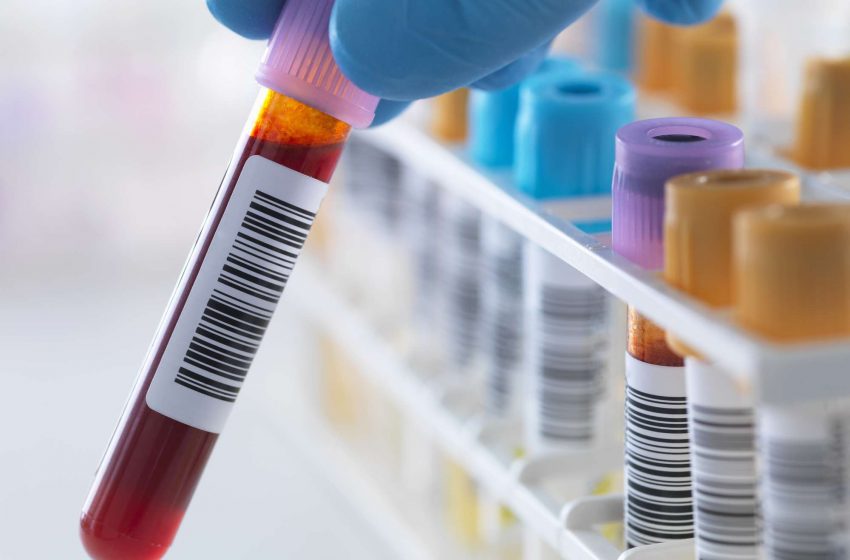
If you’re willing to start a cycle, the best advice in theory is to look for a doctor to help you with it. Sounds easy, but in practice not many doctors are willing to aid in the task of making sure you do the least damage to your body while using PEDs. If you’re lucky enough to find one that’s willing to cope with steroid use, it probably won’t come cheap. Your second-best bet is to learn yourself how to check if your body is working as it should at least at a basic level. One way to do it is by doing your blood work regularly, especially before, during and after the use of hormones. Here’s what you should look for:
1 - Complete blood count (CBC): A CBC consists of a group of tests that evaluate the various cells that circulate in the body, both in quantity and quality, including red blood cells, white blood cells and platelets. These parameters can help evaluate overall health and detect a variety of diseases and conditions early on.
2 - Comprehensive Metabolic Profile (CMP): The purpose of a CMP is to conduct a broad assessment of various aspects of physical well-being. With 14 measurements, it can detect a range of abnormalities in blood sugar, nutrient balance, liver and kidney health. It consists of glucose, calcium, sodium, potassium, bicarbonates, chloride, blood urea nitrogen, creatinine, albumin, total protein, alkaline phosphatase, alanine aminotransferase, aspartate aminotransferase and bilirubin tests.
3 - Dosage of Estradiol (E2): Especially useful in the middle of testosterone-based cycles as E2 levels tend to rise as testosterone is converted into estradiol (female hormone) by a process called aromatization. May help you choose whether or not to include an anti-aromatase drug in your protocol.
4 - Follicle-Stimulating Hormone (FSH): FSH is made by your pituitary gland, a small gland located underneath the brain. FSH plays an important role in sexual development and functioning. In men, FSH helps control the production of sperm. During a cycle, FSH production tends to decrease drastically, so keeping track of your levels might help decide on the inclusion of countermeasures if necessary.
5 - Complete Lipid Panel with LDL to HDL ratio: Every steroid has the ability change an individual’s lipid profile to some extent, so it’s always a good idea to never stop doing cardio and include healthy oily fish and other sources of omega 3 in your diet. This test shows every lipid parameter in the body, which can be helpful as staying in a dyslipidemia state for a long extent of time is one of the main factors for cardiac events. Other conditions such as pancreatic failure can also be foreseen by unbalance in lipids.
6 - Luteinizing Hormone (LH): LH helps your reproductive system function as it should: cellularly, it indicates the function of a woman’s ovaries and a man’s testes. It’s also called lutropin and interstitial cell stimulating hormone. It’s made in your pituitary gland, which sits just behind your nose. An LH test may be helpful for reversing an infertility situation or to check for a pituitary gland problem.
7 - Progesterone: In men, progesterone is produced in adrenal and testicular tissue. It is the precursor to cortisol, testosterone, estrogen and other hormones. May indicate the beginning of a gynecomastia condition.
8 - Testosterone, total and free: Useful before a cycle to see your base levels, during to see how much has risen with your particular gear/dosage and after 45/60 days of completing a PCT to see how much of your natural production has bounced back.
9 - Thyroid Stimulating Hormone (TSH), T4, T3: These should all work in tandem if you have a healthy thyroid, so this test may come in handy if you’re suspecting your thyroid isn’t working as it should or if you’ve taken or is taking T3, T4 or other hormones of this kind.
Please keep in mind that a blood panel is like a snapshot of your body: it will give you a pretty good idea of what’s happening, but you can’t really make a verdict out of it. For that, it’s best to take several blood samples and see if the pattern holds. At that point, if any suspicion arises, it’s probably best to go see a doctor.
This panel is the basic a person looking to start a cycle should get, but of course there are more complete (and more expensive) tests out there: which may include IGF-1 and HGH levels, specific enzymes, glycemic curves, cortisol, several vitamins, etc. and are just too specific to be covered here.
If you’re willing to start a cycle, the best advice in theory is to look for a doctor to help you with it. Sounds easy, but in practice not many doctors are willing to aid in the task of making sure you do the least damage to your body while using PEDs. If you’re lucky enough to find one that’s willing to cope with steroid use, it probably won’t come cheap. Your second-best bet is to learn yourself how to check if your body is working as it should at least at a basic level. One way to do it is by doing your blood work regularly, especially before, during and after the use of hormones. Here’s what you should look for:
1 - Complete blood count (CBC): A CBC consists of a group of tests that evaluate the various cells that circulate in the body, both in quantity and quality, including red blood cells, white blood cells and platelets. These parameters can help evaluate overall health and detect a variety of diseases and conditions early on.
2 - Comprehensive Metabolic Profile (CMP): The purpose of a CMP is to conduct a broad assessment of various aspects of physical well-being. With 14 measurements, it can detect a range of abnormalities in blood sugar, nutrient balance, liver and kidney health. It consists of glucose, calcium, sodium, potassium, bicarbonates, chloride, blood urea nitrogen, creatinine, albumin, total protein, alkaline phosphatase, alanine aminotransferase, aspartate aminotransferase and bilirubin tests.
3 - Dosage of Estradiol (E2): Especially useful in the middle of testosterone-based cycles as E2 levels tend to rise as testosterone is converted into estradiol (female hormone) by a process called aromatization. May help you choose whether or not to include an anti-aromatase drug in your protocol.
4 - Follicle-Stimulating Hormone (FSH): FSH is made by your pituitary gland, a small gland located underneath the brain. FSH plays an important role in sexual development and functioning. In men, FSH helps control the production of sperm. During a cycle, FSH production tends to decrease drastically, so keeping track of your levels might help decide on the inclusion of countermeasures if necessary.
5 - Complete Lipid Panel with LDL to HDL ratio: Every steroid has the ability change an individual’s lipid profile to some extent, so it’s always a good idea to never stop doing cardio and include healthy oily fish and other sources of omega 3 in your diet. This test shows every lipid parameter in the body, which can be helpful as staying in a dyslipidemia state for a long extent of time is one of the main factors for cardiac events. Other conditions such as pancreatic failure can also be foreseen by unbalance in lipids.
6 - Luteinizing Hormone (LH): LH helps your reproductive system function as it should: cellularly, it indicates the function of a woman’s ovaries and a man’s testes. It’s also called lutropin and interstitial cell stimulating hormone. It’s made in your pituitary gland, which sits just behind your nose. An LH test may be helpful for reversing an infertility situation or to check for a pituitary gland problem.
7 - Progesterone: In men, progesterone is produced in adrenal and testicular tissue. It is the precursor to cortisol, testosterone, estrogen and other hormones. May indicate the beginning of a gynecomastia condition.
8 - Testosterone, total and free: Useful before a cycle to see your base levels, during to see how much has risen with your particular gear/dosage and after 45/60 days of completing a PCT to see how much of your natural production has bounced back.
9 - Thyroid Stimulating Hormone (TSH), T4, T3: These should all work in tandem if you have a healthy thyroid, so this test may come in handy if you’re suspecting your thyroid isn’t working as it should or if you’ve taken or is taking T3, T4 or other hormones of this kind.
Please keep in mind that a blood panel is like a snapshot of your body: it will give you a pretty good idea of what’s happening, but you can’t really make a verdict out of it. For that, it’s best to take several blood samples and see if the pattern holds. At that point, if any suspicion arises, it’s probably best to go see a doctor.
This panel is the basic a person looking to start a cycle should get, but of course there are more complete (and more expensive) tests out there: which may include IGF-1 and HGH levels, specific enzymes, glycemic curves, cortisol, several vitamins, etc. and are just too specific to be covered here.
Code:
https://steroidify.blog/health-science/bloodwork-what-to-look-for/