
MESO-Rx
Anabolic Steroids

Navigation
Install the app
How to install the app on iOS
Follow along with the video below to see how to install our site as a web app on your home screen.
Note: This feature may not be available in some browsers.
More options
Style variation
Guest viewing limit reached
- You have reached the maximum number of guest views allowed
- Please register below to remove this limitation
- Already a member? Click here to login
You are using an out of date browser. It may not display this or other websites correctly.
You should upgrade or use an alternative browser.
You should upgrade or use an alternative browser.
Alzheimer’s
- Thread starter Michael Scally MD
- Start date

Resolving Controversies On The Path To Alzheimer's Therapeutics.
For scientists, few of life’s experiences can match making a discovery that explains a hitherto unknown facet of how natural systems work. In the area of biomedicine, coupling such a discovery with its application to helping solve a human malady is particularly meaningful. The example of research on Alzheimer’s disease includes many unexpected findings over the last three decades that have clarified pathogenesis and sometimes also illuminated fundamental aspects of cell biology. This interplay between basic and applied biology has attracted scientists of varying backgrounds and has led to divergent approaches to the disease.
A substantial portion, but certainly not all, of the field has focused its investigative efforts on the theory that gradual accumulation of the amyloid-?protein (A?) in brain regions serving memory and cognition is a precipitant of the earliest symptoms of Alzheimer’s disease. This theory, increasingly supported by measurements of biomarkers over the course of the disease, has led to human trials of diverse agents that could potentially decrease the production or aggregation of A? or enhance its clearance from the brain.
Despite this progress, the field of Alzheimer’s research seems to have entered a period of disappointment and some doubt about the path forward. Beyond a healthy skepticism regarding the validity of the amyloid hypothesis, there has been understandable concern that several late-phase clinical trials have failed and that important questions about pathogenic mechanisms remain unanswered.
The concept of redirecting the field toward other approaches is much discussed. In this context, we may benefit from a deeper analysis of some of the principal controversies in Alzheimer’s disease research today and a careful consideration of the reasons for the recent trial failures. Presented here is a perspective on these central issues and concludes that current knowledge does provide a way forward to design and validate truly disease-modifying treatments.
Selkoe DJ. Resolving controversies on the path to Alzheimer's therapeutics. Nat Med 2011;17(9):1060-5. http://www.nature.com/nm/journal/v17/n9/pdf/nm.2460.pdf
Alzheimer’s disease constitutes a personal and societal tragedy of immense proportions. Since 1960, research in laboratories and clinics worldwide has elucidated many features of this insidious and ultimately fatal syndrome, and this progress has led to initial human trials of potentially disease-modifying agents. However, some of these agents have already failed. Gnawing controversies and important gaps in our knowledge seem to cast additional doubt on the ability of the field to move forward effectively. Here I discuss some of these looming concerns and offer possible explanations for the major trial failures that suggest they are not predictive of the future. Rigorous preclinical validation of mechanismbased therapeutic agents followed by meticulously designed trials that focus on the cardinal cognitive symptoms and their associated biomarkers in the mild or presymptomatic phases of Alzheimer’s disease are likely to lead to success, perhaps in the not-too-distant future.
For scientists, few of life’s experiences can match making a discovery that explains a hitherto unknown facet of how natural systems work. In the area of biomedicine, coupling such a discovery with its application to helping solve a human malady is particularly meaningful. The example of research on Alzheimer’s disease includes many unexpected findings over the last three decades that have clarified pathogenesis and sometimes also illuminated fundamental aspects of cell biology. This interplay between basic and applied biology has attracted scientists of varying backgrounds and has led to divergent approaches to the disease.
A substantial portion, but certainly not all, of the field has focused its investigative efforts on the theory that gradual accumulation of the amyloid-?protein (A?) in brain regions serving memory and cognition is a precipitant of the earliest symptoms of Alzheimer’s disease. This theory, increasingly supported by measurements of biomarkers over the course of the disease, has led to human trials of diverse agents that could potentially decrease the production or aggregation of A? or enhance its clearance from the brain.
Despite this progress, the field of Alzheimer’s research seems to have entered a period of disappointment and some doubt about the path forward. Beyond a healthy skepticism regarding the validity of the amyloid hypothesis, there has been understandable concern that several late-phase clinical trials have failed and that important questions about pathogenic mechanisms remain unanswered.
The concept of redirecting the field toward other approaches is much discussed. In this context, we may benefit from a deeper analysis of some of the principal controversies in Alzheimer’s disease research today and a careful consideration of the reasons for the recent trial failures. Presented here is a perspective on these central issues and concludes that current knowledge does provide a way forward to design and validate truly disease-modifying treatments.
Selkoe DJ. Resolving controversies on the path to Alzheimer's therapeutics. Nat Med 2011;17(9):1060-5. http://www.nature.com/nm/journal/v17/n9/pdf/nm.2460.pdf
Alzheimer’s disease constitutes a personal and societal tragedy of immense proportions. Since 1960, research in laboratories and clinics worldwide has elucidated many features of this insidious and ultimately fatal syndrome, and this progress has led to initial human trials of potentially disease-modifying agents. However, some of these agents have already failed. Gnawing controversies and important gaps in our knowledge seem to cast additional doubt on the ability of the field to move forward effectively. Here I discuss some of these looming concerns and offer possible explanations for the major trial failures that suggest they are not predictive of the future. Rigorous preclinical validation of mechanismbased therapeutic agents followed by meticulously designed trials that focus on the cardinal cognitive symptoms and their associated biomarkers in the mild or presymptomatic phases of Alzheimer’s disease are likely to lead to success, perhaps in the not-too-distant future.
Intranasal Insulin Therapy for Alzheimer Disease and Amnestic Mild Cognitive Impairment
Insulin has a number of important functions in the central nervous system. Brain insulin receptors are densely localized in the hippocampus, the entorhinal cortex, and the frontal cortex and are found primarily in synapses, where insulin signaling contributes to synaptogenesis and synaptic remodeling. Insulin also modulates glucose utilization in the hippocampus and other brain regions and facilitates memory at optimal levels in normal metabolism. The importance of insulin in normal brain function is underscored by evidence that insulin dysregulation contributes to the pathophysiology of Alzheimer disease (AD), a disorder characterized in its earliest stages by synaptic loss and memory impairment. Insulin levels and insulin activity in the central nervous system are reduced in AD. Insulin has a close relationship with the ?-amyloid peptide, a toxic peptide produced by endoproteolytic cleavage of the amyloid precursor protein. Insoluble A? deposits in the brain's parenchyma and vasculature in AD. Soluble A? species, particularly oligomers of the 42 amino acid species (A?42), also have synaptotoxic effects. Insulin modulates the levels of A? and protects against the detrimental effects of A? oligomers on synapses.
Thus, reduced levels of insulin and of insulin activity may contribute to a number of pathological processes that characterize AD. Restoring insulin to normal levels in the brain may therefore provide therapeutic benefit to adults with AD. Peripheral administration of insulin is not viable owing to the risk of hypoglycemia or induction and/or exacerbation of peripheral insulin resistance. In contrast, intranasal administration of insulin provides rapid delivery of insulin to the central nervous system via bulk flow along olfactory and trigeminal perivascular channels, and slower delivery via olfactory bulb axonal transport, without adversely affecting blood insulin or glucose levels. In rodent models, intranasally administered insulin binds to receptors in the hippocampus and the frontal cortex within 60 minutes. In human studies, intranasal insulin increases insulin levels in cerebrospinal fluid (CSF) within a similar time frame and acutely enhances memory. Furthermore, a 3-week trial of daily administration of intranasal insulin improved delayed story recall and caregiver-rated functional status in a small sample of adults with AD and in adults with amnestic mild cognitive impairment (aMCI), a condition thought to represent prodromal AD in most cases.
This study examines the effects of longer-term insulin administration on primary outcome measures determined from the 3-week trial and on measures of global cognition and function used in traditional clinical trials in adults with aMCI or AD. In a subset of participants, they also examined changes in CSF-related AD biomarkers (A?42 level and tau protein–to–A?42 ratio) and changes in the cerebral metabolic rate of glucose (CMRGlc) utilization assessed by use of positron emission tomography (PET) with fludeoxyglucose F 18 (FDG).
The results suggest that the administration of intranasal insulin may have a therapeutic benefit for adults with aMCI or AD. Compared with the participants in the placebo group, participants treated with the 20-IU dose of insulin showed improved delayed memory, and both insulin doses (ie, 20 and 40 IU) preserved the study partner–rated ability to perform daily functions. General cognitive abilities, as assessed with the ADAS-cog, were also preserved by both doses of intranasal insulin. In exploratory analyses, changes in CSF A?42 levels and tau protein–to–A?42 ratios were associated with cognitive and functional changes for insulin-treated participants. Placebo-assigned participants showed decreased CMRGlc values in several brain regions, including the frontal, temporal, and parietal cortices as well as the precuneus and/or cuneus regions during the 4-month period, whereas insulin-treated participants showed no significant decline. Finally, no treatment-related severe adverse events occurred. These promising results provide an impetus for longer-term trials of intranasal insulin therapy in adults with aMCI or AD.
Craft S, Baker LD, Montine TJ, et al. Intranasal Insulin Therapy for Alzheimer Disease and Amnestic Mild Cognitive Impairment: A Pilot Clinical Trial. Arch Neurol:archneurol.2011.233. Arch Neurol -- Abstract: Intranasal Insulin Therapy for Alzheimer Disease and Amnestic Mild Cognitive Impairment: A Pilot Clinical Trial, September 12, 2011, Craft et al. 0 (2011): archneurol.2011.233v1
Objective To examine the effects of intranasal insulin administration on cognition, function, cerebral glucose metabolism, and cerebrospinal fluid biomarkers in adults with amnestic mild cognitive impairment or Alzheimer disease (AD).
Design Randomized, double-blind, placebo-controlled trial.
Setting Clinical research unit of a Veterans Affairs medical center.
Participants The intent-to-treat sample consisted of 104 adults with amnestic mild cognitive impairment (n = 64) or mild to moderate AD (n = 40).
Intervention Participants received placebo (n = 30), 20 IU of insulin (n = 36), or 40 IU of insulin (n = 38) for 4 months, administered with a nasal drug delivery device (Kurve Technology, Bothell, Washington).
Main Outcome Measures Primary measures consisted of delayed story recall score and the Dementia Severity Rating Scale score, and secondary measures included the Alzheimer Disease's Assessment Scale-cognitive subscale (ADAS-cog) score and the Alzheimer's Disease Cooperative Study-activities of daily living (ADCS-ADL) scale. A subset of participants underwent lumbar puncture (n = 23) and positron emission tomography with fludeoxyglucose F 18 (n = 40) before and after treatment.
Results Outcome measures were analyzed using repeated-measures analysis of covariance. Treatment with 20 IU of insulin improved delayed memory (P < .05), and both doses of insulin (20 and 40 IU) preserved caregiver-rated functional ability (P < .01). Both insulin doses also preserved general cognition as assessed by the ADAS-cog score for younger participants and functional abilities as assessed by the ADCS-ADL scale for adults with AD (P < .05). Cerebrospinal fluid biomarkers did not change for insulin-treated participants as a group, but, in exploratory analyses, changes in memory and function were associated with changes in the A{beta}42 level and in the tau protein-to-A{beta}42 ratio in cerebrospinal fluid. Placebo-assigned participants showed decreased fludeoxyglucose F 18 uptake in the parietotemporal, frontal, precuneus, and cuneus regions and insulin-minimized progression. No treatment-related severe adverse events occurred.
Conclusions These results support longer trials of intranasal insulin therapy for patients with amnestic mild cognitive impairment and patients with AD.
________________________________________
De Felice FG, Vieira MNN, Bomfim TR, et al. Protection of synapses against Alzheimer's-linked toxins: Insulin signaling prevents the pathogenic binding of A? oligomers. Proceedings of the National Academy of Sciences 2009;106(6):1971-6. http://www.pnas.org/content/106/6/1971.full.pdf
Synapse deterioration underlying severe memory loss in early Alzheimer's disease (AD) is thought to be caused by soluble amyloid beta (A?) oligomers. Mechanistically, soluble A? oligomers, also referred to as A?-derived diffusible ligands (ADDLs), act as highly specific pathogenic ligands, binding to sites localized at particular synapses. This binding triggers oxidative stress, loss of synaptic spines, and ectopic redistribution of receptors critical to plasticity and memory.
We report here the existence of a protective mechanism that naturally shields synapses against ADDL-induced deterioration. Synapse pathology was investigated in mature cultures of hippocampal neurons. Before spine loss, ADDLs caused major downregulation of plasma membrane insulin receptors (IRs), via a mechanism sensitive to calcium calmodulin-dependent kinase II (CaMKII) and casein kinase II (CK2) inhibition. Most significantly, this loss of surface IRs, and ADDL-induced oxidative stress and synaptic spine deterioration, could be completely prevented by insulin. At submaximal insulin doses, protection was potentiated by rosiglitazone, an insulin-sensitizing drug used to treat type 2 diabetes. The mechanism of insulin protection entailed a marked reduction in pathogenic ADDL binding. Surprisingly, insulin failed to block ADDL binding when IR tyrosine kinase activity was inhibited; in fact, a significant increase in binding was caused by IR inhibition. The protective role of insulin thus derives from IR signaling-dependent downregulation of ADDL binding sites rather than ligand competition.
The finding that synapse vulnerability to ADDLs can be mitigated by insulin suggests that bolstering brain insulin signaling, which can decline with aging and diabetes, could have significant potential to slow or deter AD pathogenesis.
Insulin has a number of important functions in the central nervous system. Brain insulin receptors are densely localized in the hippocampus, the entorhinal cortex, and the frontal cortex and are found primarily in synapses, where insulin signaling contributes to synaptogenesis and synaptic remodeling. Insulin also modulates glucose utilization in the hippocampus and other brain regions and facilitates memory at optimal levels in normal metabolism. The importance of insulin in normal brain function is underscored by evidence that insulin dysregulation contributes to the pathophysiology of Alzheimer disease (AD), a disorder characterized in its earliest stages by synaptic loss and memory impairment. Insulin levels and insulin activity in the central nervous system are reduced in AD. Insulin has a close relationship with the ?-amyloid peptide, a toxic peptide produced by endoproteolytic cleavage of the amyloid precursor protein. Insoluble A? deposits in the brain's parenchyma and vasculature in AD. Soluble A? species, particularly oligomers of the 42 amino acid species (A?42), also have synaptotoxic effects. Insulin modulates the levels of A? and protects against the detrimental effects of A? oligomers on synapses.
Thus, reduced levels of insulin and of insulin activity may contribute to a number of pathological processes that characterize AD. Restoring insulin to normal levels in the brain may therefore provide therapeutic benefit to adults with AD. Peripheral administration of insulin is not viable owing to the risk of hypoglycemia or induction and/or exacerbation of peripheral insulin resistance. In contrast, intranasal administration of insulin provides rapid delivery of insulin to the central nervous system via bulk flow along olfactory and trigeminal perivascular channels, and slower delivery via olfactory bulb axonal transport, without adversely affecting blood insulin or glucose levels. In rodent models, intranasally administered insulin binds to receptors in the hippocampus and the frontal cortex within 60 minutes. In human studies, intranasal insulin increases insulin levels in cerebrospinal fluid (CSF) within a similar time frame and acutely enhances memory. Furthermore, a 3-week trial of daily administration of intranasal insulin improved delayed story recall and caregiver-rated functional status in a small sample of adults with AD and in adults with amnestic mild cognitive impairment (aMCI), a condition thought to represent prodromal AD in most cases.
This study examines the effects of longer-term insulin administration on primary outcome measures determined from the 3-week trial and on measures of global cognition and function used in traditional clinical trials in adults with aMCI or AD. In a subset of participants, they also examined changes in CSF-related AD biomarkers (A?42 level and tau protein–to–A?42 ratio) and changes in the cerebral metabolic rate of glucose (CMRGlc) utilization assessed by use of positron emission tomography (PET) with fludeoxyglucose F 18 (FDG).
The results suggest that the administration of intranasal insulin may have a therapeutic benefit for adults with aMCI or AD. Compared with the participants in the placebo group, participants treated with the 20-IU dose of insulin showed improved delayed memory, and both insulin doses (ie, 20 and 40 IU) preserved the study partner–rated ability to perform daily functions. General cognitive abilities, as assessed with the ADAS-cog, were also preserved by both doses of intranasal insulin. In exploratory analyses, changes in CSF A?42 levels and tau protein–to–A?42 ratios were associated with cognitive and functional changes for insulin-treated participants. Placebo-assigned participants showed decreased CMRGlc values in several brain regions, including the frontal, temporal, and parietal cortices as well as the precuneus and/or cuneus regions during the 4-month period, whereas insulin-treated participants showed no significant decline. Finally, no treatment-related severe adverse events occurred. These promising results provide an impetus for longer-term trials of intranasal insulin therapy in adults with aMCI or AD.
Craft S, Baker LD, Montine TJ, et al. Intranasal Insulin Therapy for Alzheimer Disease and Amnestic Mild Cognitive Impairment: A Pilot Clinical Trial. Arch Neurol:archneurol.2011.233. Arch Neurol -- Abstract: Intranasal Insulin Therapy for Alzheimer Disease and Amnestic Mild Cognitive Impairment: A Pilot Clinical Trial, September 12, 2011, Craft et al. 0 (2011): archneurol.2011.233v1
Objective To examine the effects of intranasal insulin administration on cognition, function, cerebral glucose metabolism, and cerebrospinal fluid biomarkers in adults with amnestic mild cognitive impairment or Alzheimer disease (AD).
Design Randomized, double-blind, placebo-controlled trial.
Setting Clinical research unit of a Veterans Affairs medical center.
Participants The intent-to-treat sample consisted of 104 adults with amnestic mild cognitive impairment (n = 64) or mild to moderate AD (n = 40).
Intervention Participants received placebo (n = 30), 20 IU of insulin (n = 36), or 40 IU of insulin (n = 38) for 4 months, administered with a nasal drug delivery device (Kurve Technology, Bothell, Washington).
Main Outcome Measures Primary measures consisted of delayed story recall score and the Dementia Severity Rating Scale score, and secondary measures included the Alzheimer Disease's Assessment Scale-cognitive subscale (ADAS-cog) score and the Alzheimer's Disease Cooperative Study-activities of daily living (ADCS-ADL) scale. A subset of participants underwent lumbar puncture (n = 23) and positron emission tomography with fludeoxyglucose F 18 (n = 40) before and after treatment.
Results Outcome measures were analyzed using repeated-measures analysis of covariance. Treatment with 20 IU of insulin improved delayed memory (P < .05), and both doses of insulin (20 and 40 IU) preserved caregiver-rated functional ability (P < .01). Both insulin doses also preserved general cognition as assessed by the ADAS-cog score for younger participants and functional abilities as assessed by the ADCS-ADL scale for adults with AD (P < .05). Cerebrospinal fluid biomarkers did not change for insulin-treated participants as a group, but, in exploratory analyses, changes in memory and function were associated with changes in the A{beta}42 level and in the tau protein-to-A{beta}42 ratio in cerebrospinal fluid. Placebo-assigned participants showed decreased fludeoxyglucose F 18 uptake in the parietotemporal, frontal, precuneus, and cuneus regions and insulin-minimized progression. No treatment-related severe adverse events occurred.
Conclusions These results support longer trials of intranasal insulin therapy for patients with amnestic mild cognitive impairment and patients with AD.
________________________________________
De Felice FG, Vieira MNN, Bomfim TR, et al. Protection of synapses against Alzheimer's-linked toxins: Insulin signaling prevents the pathogenic binding of A? oligomers. Proceedings of the National Academy of Sciences 2009;106(6):1971-6. http://www.pnas.org/content/106/6/1971.full.pdf
Synapse deterioration underlying severe memory loss in early Alzheimer's disease (AD) is thought to be caused by soluble amyloid beta (A?) oligomers. Mechanistically, soluble A? oligomers, also referred to as A?-derived diffusible ligands (ADDLs), act as highly specific pathogenic ligands, binding to sites localized at particular synapses. This binding triggers oxidative stress, loss of synaptic spines, and ectopic redistribution of receptors critical to plasticity and memory.
We report here the existence of a protective mechanism that naturally shields synapses against ADDL-induced deterioration. Synapse pathology was investigated in mature cultures of hippocampal neurons. Before spine loss, ADDLs caused major downregulation of plasma membrane insulin receptors (IRs), via a mechanism sensitive to calcium calmodulin-dependent kinase II (CaMKII) and casein kinase II (CK2) inhibition. Most significantly, this loss of surface IRs, and ADDL-induced oxidative stress and synaptic spine deterioration, could be completely prevented by insulin. At submaximal insulin doses, protection was potentiated by rosiglitazone, an insulin-sensitizing drug used to treat type 2 diabetes. The mechanism of insulin protection entailed a marked reduction in pathogenic ADDL binding. Surprisingly, insulin failed to block ADDL binding when IR tyrosine kinase activity was inhibited; in fact, a significant increase in binding was caused by IR inhibition. The protective role of insulin thus derives from IR signaling-dependent downregulation of ADDL binding sites rather than ligand competition.
The finding that synapse vulnerability to ADDLs can be mitigated by insulin suggests that bolstering brain insulin signaling, which can decline with aging and diabetes, could have significant potential to slow or deter AD pathogenesis.
That is definitely interesting but suggests that a high sugar/starch diet would have protective and beneficial results in MCI/AD patients. The research doesnt support this. Indeed a ketogenic diet is more helpfull. However if a defect in the insulin receptors exists locally in the brain It makes sense that increasing local brain concentrations of insulin might be helpful. This would not be difficult to investigate. I will consider it. Appreciate your time and effort in keeping us up to speed on the research.

That is definitely interesting but suggests that a high sugar/starch diet would have protective and beneficial results in MCI/AD patients. The research doesnt support this. Indeed a ketogenic diet is more helpfull. However if a defect in the insulin receptors exists locally in the brain It makes sense that increasing local brain concentrations of insulin might be helpful. This would not be difficult to investigate. I will consider it. Appreciate your time and effort in keeping us up to speed on the research.
Insulin has a different role in brain function than in the rest of the body and lots of its more subtle interactions and characteristics are ignored or forgotton. That's why you get otherwise intelligent people like Stephen Guyenet saying things like high insulin should make you thin...
Hyperlipid
"A major and persisting source of confusion surrounding the hypothesis that insulin action in the brain reduces food intake and body weight while also lowering hepatic glucose production and increasing thermogenesis stems from evidence that following systemic insulin administration, the subsequent fall in glucose levels potently increases food intake while also increasing liver glucose production and reducing sympathetically driven thermogenesis. Thus, insulin-induced hypoglycemia potently overrides virtually all of insulin’s central effects, an observation that for many years has confounded research in this field."
Did you see the baby go? Here it is again:
"Thus, insulin-induced hypoglycemia potently overrides virtually all of insulin’s central effects".
LW, I`n not sure I follow your reasoning here. If there exists a defect in the insulin receptors locally in the brain which is responsible for chronic undrernourishment of hippocampal and/or cortical neurons with resultsant STM impairment AND if "intranasal administration of insulin provides rapid delivery of insulin to the central nervous system via bulk flow along olfactory and trigeminal perivascular channels, and slower delivery via olfactory bulb axonal transport, without adversely affecting blood insulin or glucose levels" one might expect rapid and dramatic improvment of Sx without effecting systemic glucose and insulin. No?
Read more from the MESO-Rx Steroid Forum at: https://thinksteroids.com/community/threads/134295068
Read more from the MESO-Rx Steroid Forum at: https://thinksteroids.com/community/threads/134295068
LW, I`n not sure I follow your reasoning here. If there exists a defect in the insulin receptors locally in the brain which is responsible for chronic undrernourishment of hippocampal and/or cortical neurons with resultsant STM impairment AND if "intranasal administration of insulin provides rapid delivery of insulin to the central nervous system via bulk flow along olfactory and trigeminal perivascular channels, and slower delivery via olfactory bulb axonal transport, without adversely affecting blood insulin or glucose levels" one might expect rapid and dramatic improvment of Sx without effecting systemic glucose and insulin. No?
Correct, but its that line of reasoning that can lead many to believe a higher overall insulin level (brain and body) is a good thing when it isnt.
Correct, but its that line of reasoning that can lead many to believe a higher overall insulin level (brain and body) is a good thing when it isnt.
Oh hell yea!
I`m thinking that this might be worth persuing. Insulin isnt hard to come by.
The delivery might be a little more challenging.
http://www.ingentaconnect.com/content/klu/pham/1992/00000009/00000009/00305254
This looks like it could help:
ACETYL-L-CARNITINE: Uses, Side Effects, Interactions and Warnings - WebMD
"Treating Alzheimer’s disease. Acetyl-L-carnitine is more likely to help those with early-onset Alzheimer’s disease who are less than 66 years of age and have a faster rate of disease progression and mental decline."
The dose looks to be 4,000 mg/day, divided in two or three parts.
It helps shuttle fatty acids into the brain cells.
ACETYL-L-CARNITINE: Uses, Side Effects, Interactions and Warnings - WebMD
"Treating Alzheimer’s disease. Acetyl-L-carnitine is more likely to help those with early-onset Alzheimer’s disease who are less than 66 years of age and have a faster rate of disease progression and mental decline."
The dose looks to be 4,000 mg/day, divided in two or three parts.
It helps shuttle fatty acids into the brain cells.
Last edited:
I`ve heard that but havent followed up on the validity of the claims.
So far we`ve tried a nebulized insulin suspension and an ordinary nasal spray bottle.
Bothe delivery methods seem promising but havent spent enough time with either to gather any impresions. I think that piston type spray head containing a premeasured dose delivered inthe praying to mecca position would be very effective and hopefully not to much of a paiin in the ass to do after every meal. I also think that any dose at all is better than no dose at all.
So far we`ve tried a nebulized insulin suspension and an ordinary nasal spray bottle.
Bothe delivery methods seem promising but havent spent enough time with either to gather any impresions. I think that piston type spray head containing a premeasured dose delivered inthe praying to mecca position would be very effective and hopefully not to much of a paiin in the ass to do after every meal. I also think that any dose at all is better than no dose at all.
Exercise Training Increases Size Of Hippocampus And Improves Memory
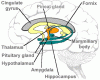
Deterioration of the hippocampus precedes and leads to memory impairment in late adulthood. Strategies to fight hippocampal loss and protect against the development of memory impairment has become an important topic in recent years from both scientific and public health perspectives. Physical activity, such as aerobic exercise, has emerged as a promising low-cost treatment to improve neurocognitive function that is accessible to most adults and is not plagued by intolerable side effects often found with pharmaceutical treatments. Exercise enhances learning and improves retention, which is accompanied by increased cell proliferation and survival in the hippocampus of rodents; effects that are mediated, in part, by increased production and secretion of BDNF and its receptor tyrosine kinase trkB.
Aerobic exercise training increases gray and white matter volume in the prefrontal cortex of older adults and increases the functioning of key nodes in the executive control network. Greater amounts of physical activity are associated with sparing of prefrontal and temporal brain regions over a 9-y period, which reduces the risk for cognitive impairment. Further, hippocampal and medial temporal lobe volumes are larger in higher-fit older adults, and larger hippocampal volumes mediate improvements in spatial memory. Exercise training increases cerebral blood volume and perfusion of the hippocampus, but the extent to which exercise can modify the size of the hippocampus in late adulthood remains unknown. Hippocampal volume shrinks 1–2% annually in older adults without dementia, and this loss of volume increases the risk for developing cognitive impairment.
To evaluate whether exercise training increases the size of the hippocampus and improves spatial memory, researchers designed a single-blind, randomized controlled trial in which adults were randomly assigned to receive either moderate-intensity aerobic exercise 3 d/wk or stretching and toning exercises that served as a control. They predicted that 1 y of moderate-intensity exercise would increase the size of the hippocampus and that change in hippocampal volume would be associated with increased serum BDNF and improved memory function.
In this randomized controlled study of exercise training, they demonstrate that loss of hippocampal volume in late adulthood is not inevitable and can be reversed with moderate-intensity exercise. A 1-y aerobic exercise intervention was effective at increasing hippocampal volume by 2% and offsetting the deterioration associated with aging. Because hippocampal volume shrinks 1–2% annually, a 2% increase in hippocampal volume is equivalent to adding between 1 and 2 y worth of volume to the hippocampus for this age group.

Erickson KI, Voss MW, Prakash RS, et al. Exercise training increases size of hippocampus and improves memory. Proc Natl Acad Sci USA 2011;108(7):3017-22. Exercise training increases size of hippocampus and improves memory
The hippocampus shrinks in late adulthood, leading to impaired memory and increased risk for dementia. Hippocampal and medial temporal lobe volumes are larger in higher-fit adults, and physical activity training increases hippocampal perfusion, but the extent to which aerobic exercise training can modify hippocampal volume in late adulthood remains unknown. Here we show, in a randomized controlled trial with 120 older adults, that aerobic exercise training increases the size of the anterior hippocampus, leading to improvements in spatial memory. Exercise training increased hippocampal volume by 2%, effectively reversing age-related loss in volume by 1 to 2 y. We also demonstrate that increased hippocampal volume is associated with greater serum levels of BDNF, a mediator of neurogenesis in the dentate gyrus. Hippocampal volume declined in the control group, but higher preintervention fitness partially attenuated the decline, suggesting that fitness protects against volume loss. Caudate nucleus and thalamus volumes were unaffected by the intervention. These theoretically important findings indicate that aerobic exercise training is effective at reversing hippocampal volume loss in late adulthood, which is accompanied by improved memory function.
Deterioration of the hippocampus precedes and leads to memory impairment in late adulthood. Strategies to fight hippocampal loss and protect against the development of memory impairment has become an important topic in recent years from both scientific and public health perspectives. Physical activity, such as aerobic exercise, has emerged as a promising low-cost treatment to improve neurocognitive function that is accessible to most adults and is not plagued by intolerable side effects often found with pharmaceutical treatments. Exercise enhances learning and improves retention, which is accompanied by increased cell proliferation and survival in the hippocampus of rodents; effects that are mediated, in part, by increased production and secretion of BDNF and its receptor tyrosine kinase trkB.
Aerobic exercise training increases gray and white matter volume in the prefrontal cortex of older adults and increases the functioning of key nodes in the executive control network. Greater amounts of physical activity are associated with sparing of prefrontal and temporal brain regions over a 9-y period, which reduces the risk for cognitive impairment. Further, hippocampal and medial temporal lobe volumes are larger in higher-fit older adults, and larger hippocampal volumes mediate improvements in spatial memory. Exercise training increases cerebral blood volume and perfusion of the hippocampus, but the extent to which exercise can modify the size of the hippocampus in late adulthood remains unknown. Hippocampal volume shrinks 1–2% annually in older adults without dementia, and this loss of volume increases the risk for developing cognitive impairment.
To evaluate whether exercise training increases the size of the hippocampus and improves spatial memory, researchers designed a single-blind, randomized controlled trial in which adults were randomly assigned to receive either moderate-intensity aerobic exercise 3 d/wk or stretching and toning exercises that served as a control. They predicted that 1 y of moderate-intensity exercise would increase the size of the hippocampus and that change in hippocampal volume would be associated with increased serum BDNF and improved memory function.
In this randomized controlled study of exercise training, they demonstrate that loss of hippocampal volume in late adulthood is not inevitable and can be reversed with moderate-intensity exercise. A 1-y aerobic exercise intervention was effective at increasing hippocampal volume by 2% and offsetting the deterioration associated with aging. Because hippocampal volume shrinks 1–2% annually, a 2% increase in hippocampal volume is equivalent to adding between 1 and 2 y worth of volume to the hippocampus for this age group.
Erickson KI, Voss MW, Prakash RS, et al. Exercise training increases size of hippocampus and improves memory. Proc Natl Acad Sci USA 2011;108(7):3017-22. Exercise training increases size of hippocampus and improves memory
The hippocampus shrinks in late adulthood, leading to impaired memory and increased risk for dementia. Hippocampal and medial temporal lobe volumes are larger in higher-fit adults, and physical activity training increases hippocampal perfusion, but the extent to which aerobic exercise training can modify hippocampal volume in late adulthood remains unknown. Here we show, in a randomized controlled trial with 120 older adults, that aerobic exercise training increases the size of the anterior hippocampus, leading to improvements in spatial memory. Exercise training increased hippocampal volume by 2%, effectively reversing age-related loss in volume by 1 to 2 y. We also demonstrate that increased hippocampal volume is associated with greater serum levels of BDNF, a mediator of neurogenesis in the dentate gyrus. Hippocampal volume declined in the control group, but higher preintervention fitness partially attenuated the decline, suggesting that fitness protects against volume loss. Caudate nucleus and thalamus volumes were unaffected by the intervention. These theoretically important findings indicate that aerobic exercise training is effective at reversing hippocampal volume loss in late adulthood, which is accompanied by improved memory function.
Attachments
Last edited:
Chu J, Pratico D. 5-lipoxygenase as an endogenous modulator of amyloid beta formation in vivo. Ann Neurol 2011;69(1):34-46. 5-lipoxygenase as an endogenous modulator of amyloid beta formation in vivo - Chu - 2010 - Annals of Neurology - Wiley Online Library
OBJECTIVE: The 5-lipoxygenase (5-LO) enzymatic pathway is widely distributed within the central nervous system, and is upregulated in Alzheimer's disease. However, the mechanism whereby it may influence the disease pathogenesis remains elusive.
METHODS: We evaluated the molecular mechanism by which 5-LO regulates amyloid beta (Abeta) formation in vitro and in vivo by pharmacological and genetic approaches.
RESULTS: Here we show that 5-LO regulates the formation of Abeta by activating the cAMP-response element binding protein (CREB), which in turn increases transcription of the gamma-secretase complex. Preventing CREB activation by pharmacologic inhibition or dominant negative mutants blocks the 5-LO-dependent elevation of Abeta formation and the increase of gamma-secretase mRNA and protein levels. Moreover, 5-LO targeted gene disruption or its in vivo selective pharmacological inhibition results in a significant reduction of Abeta, CREB and gamma-secretase levels.
INTERPRETATION: These data establish a novel functional role for 5-LO in regulating endogenous formation of Abeta levels in the central nervous system. Thus, 5-LO pharmacological inhibition may be beneficial in the treatment and prevention of Alzheimer's disease.
OBJECTIVE: The 5-lipoxygenase (5-LO) enzymatic pathway is widely distributed within the central nervous system, and is upregulated in Alzheimer's disease. However, the mechanism whereby it may influence the disease pathogenesis remains elusive.
METHODS: We evaluated the molecular mechanism by which 5-LO regulates amyloid beta (Abeta) formation in vitro and in vivo by pharmacological and genetic approaches.
RESULTS: Here we show that 5-LO regulates the formation of Abeta by activating the cAMP-response element binding protein (CREB), which in turn increases transcription of the gamma-secretase complex. Preventing CREB activation by pharmacologic inhibition or dominant negative mutants blocks the 5-LO-dependent elevation of Abeta formation and the increase of gamma-secretase mRNA and protein levels. Moreover, 5-LO targeted gene disruption or its in vivo selective pharmacological inhibition results in a significant reduction of Abeta, CREB and gamma-secretase levels.
INTERPRETATION: These data establish a novel functional role for 5-LO in regulating endogenous formation of Abeta levels in the central nervous system. Thus, 5-LO pharmacological inhibition may be beneficial in the treatment and prevention of Alzheimer's disease.
Attachments
Alzheimer's Families Clamor for Drug
Alzheimer's Families Clamor for Drug - WSJ.com
FEBRUARY 11, 2012
By SHIRLEY S. WANG
In the wake of research suggesting a skin-cancer drug may have benefits in treating Alzheimer's disease, physicians and advocacy groups are getting a flurry of calls from patients seeking to use the drug off-label.
The clamor underscores how urgently patients want solutions to the rising tide of Alzheimer's. But experts caution that more research is needed to determine whether the drug, bexarotene, is effective in humans at all, not to mention what the dosage should be.
The study, published Thursday in the journal Science, was conducted in mice, and the road to an effective Alzheimer's treatment is littered with failures that looked promising early on in animals.
"The Alzheimer's community is very desperate for anything that shows any sign of hope or promise," said Eric Hall, chief executive of the Alzheimer's Foundation of America, a New York-based advocacy organization that started to field calls from consumers as soon as the paper was published.
While Mr. Hall said he was "cautiously optimistic" about the drug, which appears to clear a sticky substance called amyloid from the brains of Alzheimer's mice, "I don't think people should be taking this in their own hands or running to it," he said.
Sam Gandy, a neurology professor at Mount Sinai School of Medicine and associate director of its Alzheimer's Disease Research Center, said he wasn't surprised to get inquiries from patients about bexarotene, as they also often ask for off-label use of another treatment on the market, intravenous immunoglobulin, which costs about $50,000 a year and is given in time-consuming infusions.
"To patients and families who are this motivated, the idea of an off-label pill is not a major leap," he said. The cost would be $1,200 or more a month and unlikely to be covered by insurance, Dr. Gandy said.
Bexarotene, marketed by Japan-basedEisai Co. as Targretin, is approved for use in a particular form of skin cancer. Once a drug is on the market, physicians are free to prescribe it for other conditions, though drug companies can't promote such off-label uses.
An Eisai spokeswoman said Friday: "It is our policy to not comment on off-label uses of our products. Physicians are able to prescribe products as they see medically necessary." The company also said it had nothing to do with the Science study or its funding.
Targretin is generally used at the highest tolerated dose in cancer patients, according to Keith Flaherty, a skin-cancer specialist at Harvard Medical School. The dosage that might be needed to treat Alzheimer's is unclear but is likely far lower, he said.
The main side effects of the drug generally aren't severe—primarily fatigue, rash and high cholesterol and triglycerides—but the cumulative effects of chronic use in Alzheimer's patients are unknown, said Dr. Flaherty.
Reisa Sperling, director of the Center for Alzheimer Research and Treatment at Brigham and Women's Hospital in Boston, said she wouldn't prescribe the drug right now.
"I feel strongly that it's not safe or advisable for people to take this off-label until we get those critical pieces of information," said Dr. Sperling.
Some patients aren't deterred. Mandy Vear, who lives in Rossendale in the U.K., said that her father's mind has deteriorated to the point where he will get very agitated at times, though he used to be a very placid man. When her sister gave him some bad news a few weeks ago, he physically attacked the sister and was taken away by the police.
Ms. Vear wants to try her father on bexarotene, though she does have concerns about possible side effects. She plans to ask the memory clinic where her father gets treatment to write him a prescription.
"I suppose that's the risk you're willing to take," Ms. Vear said.
Randi Stummer, who lives in Columbus, Ohio, isn't ready to ask a doctor to put her 72-year-old mother on the medicine, but she is worried enough about her mother's memory issues that she wants to find out more about bexarotene and would be willing to consider putting her in a clinical trial.
"We're open to anything," she said.
Gary Landreth, one of the authors of Thursday's Science paper and a professor of neurosciences at Case Western Reserve University in Cleveland, said he expected to begin a safety study in 12 healthy patients next month, but there weren't any current plans for a larger clinical trial. He said he has received a "massive response" from patients or families but that caution is needed because the work is so preliminary.
Drug makers might be deterred from making the heavy investment in researching an Alzheimer's use for bexarotene. Patents on bexarotene will start to expire this year, and once a generic is available, doctors could prescribe that less-expensive version off-label, undercutting the commercial prospects.
But some drug makers said that Thursday's paper increased their interest in studying similar compounds. "I think it's worth taking a closer look at this," said Michael Ehlers, chief scientific officer for neuroscience at Pfizer Inc.
FDA-approved drug rapidly clears amyloid from the brain, reverses Alzheimer's symptoms in mice
FDA-approved drug rapidly clears amyloid from the brain, reverses Alzheimer's symptoms in mice
Cramer PE, Cirrito JR, Wesson DW, et al. ApoE-Directed Therapeutics Rapidly Clear Beta-Amyloid and Reverse Deficits in AD Mouse Models. Science. ApoE-Directed Therapeutics Rapidly Clear ?-Amyloid and Reverse Deficits in AD Mouse Models
Alzheimer's disease is associated with impaired clearance of ?-amyloid from the brain, a process normally facilitated by apolipoprotein E (ApoE). ApoE expression is transcriptionally induced through the action of the nuclear receptors peroxisome proliferator activated receptor (PPAR?) and liver X receptors (LXR) in coordination with retinoid X receptors (RXR). Oral administration of the RXR agonist, bexarotene, to a murine model of Alzheimer's disease resulted in enhanced clearance of soluble A? within hours in an apoE-dependent manner. A? plaque area was reduced >50% within just 72 hours. Furthermore, bexarotene stimulated the rapid reversal of cognitive, social, and olfactory deficits and improved neural circuit function. Thus, RXR activation stimulates physiological A? clearance mechanisms, resulting in the very rapid reversal of a broad range of A?-induced deficits.
Alzheimer's Families Clamor for Drug - WSJ.com
FEBRUARY 11, 2012
By SHIRLEY S. WANG
In the wake of research suggesting a skin-cancer drug may have benefits in treating Alzheimer's disease, physicians and advocacy groups are getting a flurry of calls from patients seeking to use the drug off-label.
The clamor underscores how urgently patients want solutions to the rising tide of Alzheimer's. But experts caution that more research is needed to determine whether the drug, bexarotene, is effective in humans at all, not to mention what the dosage should be.
The study, published Thursday in the journal Science, was conducted in mice, and the road to an effective Alzheimer's treatment is littered with failures that looked promising early on in animals.
"The Alzheimer's community is very desperate for anything that shows any sign of hope or promise," said Eric Hall, chief executive of the Alzheimer's Foundation of America, a New York-based advocacy organization that started to field calls from consumers as soon as the paper was published.
While Mr. Hall said he was "cautiously optimistic" about the drug, which appears to clear a sticky substance called amyloid from the brains of Alzheimer's mice, "I don't think people should be taking this in their own hands or running to it," he said.
Sam Gandy, a neurology professor at Mount Sinai School of Medicine and associate director of its Alzheimer's Disease Research Center, said he wasn't surprised to get inquiries from patients about bexarotene, as they also often ask for off-label use of another treatment on the market, intravenous immunoglobulin, which costs about $50,000 a year and is given in time-consuming infusions.
"To patients and families who are this motivated, the idea of an off-label pill is not a major leap," he said. The cost would be $1,200 or more a month and unlikely to be covered by insurance, Dr. Gandy said.
Bexarotene, marketed by Japan-basedEisai Co. as Targretin, is approved for use in a particular form of skin cancer. Once a drug is on the market, physicians are free to prescribe it for other conditions, though drug companies can't promote such off-label uses.
An Eisai spokeswoman said Friday: "It is our policy to not comment on off-label uses of our products. Physicians are able to prescribe products as they see medically necessary." The company also said it had nothing to do with the Science study or its funding.
Targretin is generally used at the highest tolerated dose in cancer patients, according to Keith Flaherty, a skin-cancer specialist at Harvard Medical School. The dosage that might be needed to treat Alzheimer's is unclear but is likely far lower, he said.
The main side effects of the drug generally aren't severe—primarily fatigue, rash and high cholesterol and triglycerides—but the cumulative effects of chronic use in Alzheimer's patients are unknown, said Dr. Flaherty.
Reisa Sperling, director of the Center for Alzheimer Research and Treatment at Brigham and Women's Hospital in Boston, said she wouldn't prescribe the drug right now.
"I feel strongly that it's not safe or advisable for people to take this off-label until we get those critical pieces of information," said Dr. Sperling.
Some patients aren't deterred. Mandy Vear, who lives in Rossendale in the U.K., said that her father's mind has deteriorated to the point where he will get very agitated at times, though he used to be a very placid man. When her sister gave him some bad news a few weeks ago, he physically attacked the sister and was taken away by the police.
Ms. Vear wants to try her father on bexarotene, though she does have concerns about possible side effects. She plans to ask the memory clinic where her father gets treatment to write him a prescription.
"I suppose that's the risk you're willing to take," Ms. Vear said.
Randi Stummer, who lives in Columbus, Ohio, isn't ready to ask a doctor to put her 72-year-old mother on the medicine, but she is worried enough about her mother's memory issues that she wants to find out more about bexarotene and would be willing to consider putting her in a clinical trial.
"We're open to anything," she said.
Gary Landreth, one of the authors of Thursday's Science paper and a professor of neurosciences at Case Western Reserve University in Cleveland, said he expected to begin a safety study in 12 healthy patients next month, but there weren't any current plans for a larger clinical trial. He said he has received a "massive response" from patients or families but that caution is needed because the work is so preliminary.
Drug makers might be deterred from making the heavy investment in researching an Alzheimer's use for bexarotene. Patents on bexarotene will start to expire this year, and once a generic is available, doctors could prescribe that less-expensive version off-label, undercutting the commercial prospects.
But some drug makers said that Thursday's paper increased their interest in studying similar compounds. "I think it's worth taking a closer look at this," said Michael Ehlers, chief scientific officer for neuroscience at Pfizer Inc.
FDA-approved drug rapidly clears amyloid from the brain, reverses Alzheimer's symptoms in mice
FDA-approved drug rapidly clears amyloid from the brain, reverses Alzheimer's symptoms in mice
Cramer PE, Cirrito JR, Wesson DW, et al. ApoE-Directed Therapeutics Rapidly Clear Beta-Amyloid and Reverse Deficits in AD Mouse Models. Science. ApoE-Directed Therapeutics Rapidly Clear ?-Amyloid and Reverse Deficits in AD Mouse Models
Alzheimer's disease is associated with impaired clearance of ?-amyloid from the brain, a process normally facilitated by apolipoprotein E (ApoE). ApoE expression is transcriptionally induced through the action of the nuclear receptors peroxisome proliferator activated receptor (PPAR?) and liver X receptors (LXR) in coordination with retinoid X receptors (RXR). Oral administration of the RXR agonist, bexarotene, to a murine model of Alzheimer's disease resulted in enhanced clearance of soluble A? within hours in an apoE-dependent manner. A? plaque area was reduced >50% within just 72 hours. Furthermore, bexarotene stimulated the rapid reversal of cognitive, social, and olfactory deficits and improved neural circuit function. Thus, RXR activation stimulates physiological A? clearance mechanisms, resulting in the very rapid reversal of a broad range of A?-induced deficits.
Jesus Christ! $230 per dose. This bears looking into.
Bexarotene
TARGRETIN (BEXAROTENE) CAPSULE, LIQUID FILLED [EISAI INC.]
Attachments
While researching the similarities of bexarotene and tretinoin I came across this:
http://ajrccm.atsjournals.org/content/165/5/718.full.pdf
Maybe playing B-ball again isnt entirely out of the question after all.
Looks like a very good day to be alive.
Very potent drugs
http://ajrccm.atsjournals.org/content/165/5/718.full.pdf
Maybe playing B-ball again isnt entirely out of the question after all.
Looks like a very good day to be alive.
Very potent drugs
Gear_Addict
New Member
Alzheimer's Families Clamor for Drug
Alzheimer's Families Clamor for Drug - WSJ.com
FEBRUARY 11, 2012
By SHIRLEY S. WANG
In the wake of research suggesting a skin-cancer drug may have benefits in treating Alzheimer's disease, physicians and advocacy groups are getting a flurry of calls from patients seeking to use the drug off-label.
The clamor underscores how urgently patients want solutions to the rising tide of Alzheimer's. But experts caution that more research is needed to determine whether the drug, bexarotene, is effective in humans at all, not to mention what the dosage should be.
The study, published Thursday in the journal Science, was conducted in mice, and the road to an effective Alzheimer's treatment is littered with failures that looked promising early on in animals.
"The Alzheimer's community is very desperate for anything that shows any sign of hope or promise," said Eric Hall, chief executive of the Alzheimer's Foundation of America, a New York-based advocacy organization that started to field calls from consumers as soon as the paper was published.
While Mr. Hall said he was "cautiously optimistic" about the drug, which appears to clear a sticky substance called amyloid from the brains of Alzheimer's mice, "I don't think people should be taking this in their own hands or running to it," he said.
Sam Gandy, a neurology professor at Mount Sinai School of Medicine and associate director of its Alzheimer's Disease Research Center, said he wasn't surprised to get inquiries from patients about bexarotene, as they also often ask for off-label use of another treatment on the market, intravenous immunoglobulin, which costs about $50,000 a year and is given in time-consuming infusions.
"To patients and families who are this motivated, the idea of an off-label pill is not a major leap," he said. The cost would be $1,200 or more a month and unlikely to be covered by insurance, Dr. Gandy said.
Bexarotene, marketed by Japan-basedEisai Co. as Targretin, is approved for use in a particular form of skin cancer. Once a drug is on the market, physicians are free to prescribe it for other conditions, though drug companies can't promote such off-label uses.
An Eisai spokeswoman said Friday: "It is our policy to not comment on off-label uses of our products. Physicians are able to prescribe products as they see medically necessary." The company also said it had nothing to do with the Science study or its funding.
Targretin is generally used at the highest tolerated dose in cancer patients, according to Keith Flaherty, a skin-cancer specialist at Harvard Medical School. The dosage that might be needed to treat Alzheimer's is unclear but is likely far lower, he said.
The main side effects of the drug generally aren't severe—primarily fatigue, rash and high cholesterol and triglycerides—but the cumulative effects of chronic use in Alzheimer's patients are unknown, said Dr. Flaherty.
Reisa Sperling, director of the Center for Alzheimer Research and Treatment at Brigham and Women's Hospital in Boston, said she wouldn't prescribe the drug right now.
"I feel strongly that it's not safe or advisable for people to take this off-label until we get those critical pieces of information," said Dr. Sperling.
Some patients aren't deterred. Mandy Vear, who lives in Rossendale in the U.K., said that her father's mind has deteriorated to the point where he will get very agitated at times, though he used to be a very placid man. When her sister gave him some bad news a few weeks ago, he physically attacked the sister and was taken away by the police.
Ms. Vear wants to try her father on bexarotene, though she does have concerns about possible side effects. She plans to ask the memory clinic where her father gets treatment to write him a prescription.
"I suppose that's the risk you're willing to take," Ms. Vear said.
Randi Stummer, who lives in Columbus, Ohio, isn't ready to ask a doctor to put her 72-year-old mother on the medicine, but she is worried enough about her mother's memory issues that she wants to find out more about bexarotene and would be willing to consider putting her in a clinical trial.
"We're open to anything," she said.
Gary Landreth, one of the authors of Thursday's Science paper and a professor of neurosciences at Case Western Reserve University in Cleveland, said he expected to begin a safety study in 12 healthy patients next month, but there weren't any current plans for a larger clinical trial. He said he has received a "massive response" from patients or families but that caution is needed because the work is so preliminary.
Drug makers might be deterred from making the heavy investment in researching an Alzheimer's use for bexarotene. Patents on bexarotene will start to expire this year, and once a generic is available, doctors could prescribe that less-expensive version off-label, undercutting the commercial prospects.
But some drug makers said that Thursday's paper increased their interest in studying similar compounds. "I think it's worth taking a closer look at this," said Michael Ehlers, chief scientific officer for neuroscience at Pfizer Inc.
FDA-approved drug rapidly clears amyloid from the brain, reverses Alzheimer's symptoms in mice
FDA-approved drug rapidly clears amyloid from the brain, reverses Alzheimer's symptoms in mice
Cramer PE, Cirrito JR, Wesson DW, et al. ApoE-Directed Therapeutics Rapidly Clear Beta-Amyloid and Reverse Deficits in AD Mouse Models. Science. ApoE-Directed Therapeutics Rapidly Clear ?-Amyloid and Reverse Deficits in AD Mouse Models
Alzheimer's disease is associated with impaired clearance of ?-amyloid from the brain, a process normally facilitated by apolipoprotein E (ApoE). ApoE expression is transcriptionally induced through the action of the nuclear receptors peroxisome proliferator activated receptor (PPAR?) and liver X receptors (LXR) in coordination with retinoid X receptors (RXR). Oral administration of the RXR agonist, bexarotene, to a murine model of Alzheimer's disease resulted in enhanced clearance of soluble A? within hours in an apoE-dependent manner. A? plaque area was reduced >50% within just 72 hours. Furthermore, bexarotene stimulated the rapid reversal of cognitive, social, and olfactory deficits and improved neural circuit function. Thus, RXR activation stimulates physiological A? clearance mechanisms, resulting in the very rapid reversal of a broad range of A?-induced deficits.
Good read
Some interesting research in the UK.
http://www.dpag.ox.ac.uk/academic_staff/kieran_clarke/clarke_research
http://www.dpag.ox.ac.uk/academic_staff/kieran_clarke/clarke_research
Similar threads

- Replies
- 25
- Views
- 685
- Replies
- 0
- Views
- 38


