Is hypoglycemic awakening a thing? I’m on a super steep deficit right now and just upped test from 200 to 315 nearly 4 weeks ago (315 starting to kick in a bit and should kick in more weeks to come, at which point I’ll stop cutting), but feel like I’m mostly rising with the sun anyhow

MESO-Rx
Anabolic Steroids

Navigation
Install the app
How to install the app on iOS
Follow along with the video below to see how to install our site as a web app on your home screen.
Note: This feature may not be available in some browsers.
More options
Style variation
Guest viewing limit reached
- You have reached the maximum number of guest views allowed
- Please register below to remove this limitation
- Already a member? Click here to login
You are using an out of date browser. It may not display this or other websites correctly.
You should upgrade or use an alternative browser.
You should upgrade or use an alternative browser.
can’t stay asleep
- Thread starter syuri
- Start date
Anonymous35
Member
Maybe change tirze to retatrutide less hypoglycemia

syuri
Member
I pin my test ED and it keeps my E2 in a stable range. i ordered propranolol to help with anxiousness but i’m unsure if it will help.Trazodone will help, but gotta be stricter with sleep hygiene while on gear. You’ll have some nights where you’ll be falling asleep thinking it’ll be a good nights sleep and then you wake up randomly. And then ofc nights where you’re stressed and anxious, and the gear makes it worse. This can be minimized by strictness with sleep hygiene.
Also make sure E2 isn’t too high or low
And yes, tren will significantly worsen the already-existing sleep issue
also thank you for the reality check. i’m stressing over the fact that i’ll just be stressing some nights. can’t help it.
syuri
Member
yeah it is. i haven’t seen many people on this forum talk about it but I know there’s some reddit threads that talk about it (Especially the GLP subs, such as r/retatrutide)Is hypoglycemic awakening a thing? I’m on a super steep deficit right now and just upped test from 200 to 315 nearly 4 weeks ago (315 starting to kick in a bit and should kick in more weeks to come, at which point I’ll stop cutting), but feel like I’m mostly rising with the sun anyhow
syuri
Member
i swapped FROM reta, reta had me sleep worse due to the glucagon antagonist.Maybe change tirze to retatrutide less hypoglycemia
syuri
Member
have you built a dependency to it at all or found yourself needing to up the dose? and how many hours rest do you get per night and has it changed? sorry for the boatload of questions. I appreciate the reply50-100mg of Trazodone works great for me. Been using for years now.

trtbuilder
Member
6-8 hours. Averaging 7.5 lately which is a lot for me. Never upped the dose and i took a 2 month break with no issues.have you built a dependency to it at all or found yourself needing to up the dose? and how many hours rest do you get per night and has it changed? sorry for the boatload of questions. I appreciate the reply
Be warned. That med can slow metabolism and increase body fat. Won’t happen to everyone but some have reportedI pin my test ED and it keeps my E2 in a stable range. i ordered propranolol to help with anxiousness but i’m unsure if it will help.
also thank you for the reality check. i’m stressing over the fact that i’ll just be stressing some nights. can’t help it.
syuri
Member
really? do you have like a study or something to show? i haven’t heard about that before but i appreciate the warning. beta blockers aren’t the safest from what i hear anywayBe warned. That med can slow metabolism and increase body fat. Won’t happen to everyone but some have reported
syuri
Member
glad to hear that. guess i’ll try it out and see how it does me.6-8 hours. Averaging 7.5 lately which is a lot for me. Never upped the dose and i took a 2 month break with no issues.
Sadly no. Just word of mouth. Just try it and see what happens. If you don’t wanna gain fat right now or regress in body comp for whatever reason I’d advise against it thoughreally? do you have like a study or something to show? i haven’t heard about that before but i appreciate the warning. beta blockers aren’t the safest from what i hear anyway

Ateam2023
Member
Likely as soon as you had that tren in your sleep is gonna worse, but maybe since you're doing a low-dose you might not get those side effectshey all,
been dealing with not being able to stay asleep, and more recently, falling asleep, albeit i don’t see it as much of an issue. i get 4-5 hours of poor sleep and feel mid throughout the day.
stats:
6ft, 185lbs (around 12% BF)
my stack:
300 test (started with 200, slept fine on it) still sleep fine since upping
2mg tesamorelin pre bed
3mg tirz weekly
adding soon
70mg tren ace weekly
adding tren has me worried for how my sleep quality may end up.
i haven’t been able to consistently stay asleep and always wake up around 2-4 am, with my bedtime being 9pm. i believe i might be having a cortisol spike in the morning but I’m unsure what could be causing it. i eat a TBSP of honey pre bed to steer away from any possible hypoglycemic wakings. i also wake several times throughout the night to pee, even with being conservative of fluid intake after 3pm.
additionally, i haven’t been able to get good deep sleep (according to my apple watch)
i’ve taken:
400-1.2g magnesium glys pre bed (not much effect)
400mg l-theanine
5-htp
2-3g GABA
1200mg ashwaghanda (lowered my cortisol under the ref. range!)
i have trazodone and gabapentin on hand but i don’t want to start relying on them to sleep. i want to see if there’s any other drugs, tips or supplements that could help this sleep issue.
other stats:
training 6x a week
no anxiety, i feel kickass
eating in a slight surplus~ maintenance
5-10k steps daily
always wake and sleep at same time
@Ghoul3:30 AM wake is a classic hypoglycemic crash followed by a cortisol surge as your body reacts to raise blood sugar.
Just one possibility but a realistic one especially with a GLP. You wouldn’t see any daytime indication, and if you check after waking it’s too late to catch it.
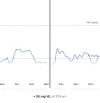
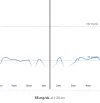
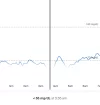
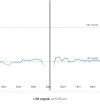
Here are some screenshots of my cgm, is this typical hypoglycemic crash? Happens often and I struggle to get 8 hours of sleep. Alarm is 5am but typically wake up early. There’s about 5% difference from my finger prick and the cgm doesn’t catch peaks as well. Started monitoring because morning bg ranges around 90 to 100 right at waking up but average bg is in the 70’s.
Attachments
Ateam2023
Member
One way I use to keep my blood glucose stable throughout the night is I eat a bowl of oatmeal and have a 8 ounce glass of milk before bed I was having nocturnal hypoglycemia and that fixed it right up according to my CGM just something I thought you might be interested in@Ghoul
Here are some screenshots of my cgm, is this typical hypoglycemic crash? Happens often and I struggle to get 8 hours of sleep. Alarm is 5am but typically wake up early. There’s about 5% difference from my finger prick and the cgm doesn’t catch peaks as well. Started monitoring because morning bg ranges around 90 to 100 right at waking up but average bg is in the 70’s.

Raww
Member
Yes, **propranolol can cause weight gain in some patients**, and **slowed metabolism (or perceived metabolic slowing)** is one of the commonly proposed mechanisms. Here’s what the evidence and clinical experience show:really? do you have like a study or something to show? i haven’t heard about that before but i appreciate the warning. beta blockers aren’t the safest from what i hear anyway
### Why Propranolol Can Lead to Weight Gain
1. **Beta-blockade reduces metabolic rate**
- Propranolol is a non-selective beta-blocker. It blocks β2-adrenergic receptors in skeletal muscle and adipose tissue.
- This inhibits sympathetically mediated thermogenesis and fat oxidation.
- Studies show that non-selective beta-blockers like propranolol reduce resting energy expenditure by ~5–10% (approximately 50–100 kcal/day), which can add up over months.
2. **Reduced exercise capacity and fatigue**
- Patients often report feeling more tired or having lower exercise tolerance on propranolol.
- This leads to decreased physical activity → lower total daily energy expenditure → weight gain.
3. **Shift in substrate utilization**
- Beta-blockade reduces lipolysis and favors carbohydrate over fat oxidation.
- Some patients report increased hunger or carbohydrate cravings.
4. **Fluid retention (less common with propranolol than with some other beta-blockers)**
- Usually mild, but can contribute a few pounds.
### How Common Is It?
- Studies and meta-analyses:
- Average weight gain on propranolol: **1–4 kg (2–9 lbs)** over 6–12 months.
- More common with non-selective beta-blockers (propranolol, nadolol) than with cardioselective ones (metoprolol, atenolol).
- One older study (1980s) found ~30–40% of patients on propranolol gained >5 lbs.
### Comparison with Other Beta-Blockers
| Beta-blocker | Average weight gain | Notes |
|---------------------|---------------------|-------|
| Propranolol | ++ to +++ | Non-selective, lipophilic → more metabolic effects |
| Nadolol | ++ | Non-selective |
| Carvedilol | ++ | Has alpha-blocking (vasodilating) properties |
| Metoprolol, Atenolol| + | Cardioselective, less effect on metabolism |
| Nebivolol, Bisoprolol| Minimal or none | Vasodilating, better metabolic profile |
### Practical Tips If You’re Gaining Weight on Propranolol
- Ask your doctor about switching to a more weight-neutral beta-blocker (e.g., nebivolol or bisoprolol) if the indication allows.
- Monitor calorie intake — the small drop in resting metabolism makes it easier to overeat without noticing.
- Prioritize strength training (less affected by beta-blockade than cardio) and NEAT (non-exercise activity).
- Some patients do better with lower doses or splitting the dose (propranolol has a short half-life).
### Bottom Line
Yes, propranolol frequently slows aspects of metabolism (energy expenditure, fat oxidation) and is one of the beta-blockers most associated with modest weight gain (typically 2–10 lbs). It’s usually not dramatic, but it’s real and well-documented.
If the weight gain is bothersome and the propranolol is being used for anxiety/migraines (rather than mandatory for heart disease), many clinicians will trial a switch to a more metabolically neutral agent.
| Study | Population (n) | Design/Duration | Propranolol Dose | Mean Weight Gain (vs. Control) | Key Notes |
|---|---|---|---|---|---|
| BHAT (1990) | Post-MI (3,837) | RCT retrospective/40 mo | 180–240 mg/d | +1.1 kg (2.3 vs. 1.2 kg) at 1 yr; sustained | Large-scale; independent of activity/diuretics |
| Sharma Meta-Analysis (2001) | Hypertensive (>2,000) | 8 RCTs/≥6 mo | Varied (incl. propranolol) | +1.2 kg median | Early plateau; class effect confirmed |
| Diener RCT (2004) | Migraine (783) | RCT/12 mo | 160 mg/d | +2.3% body wt (~1.5–2 kg) | Greater than placebo/topiramate |
| Shapiro (2005) | Migraine (367) | Observational/6 mo | 120–240 mg/d | ~1–2 kg (8% incidence) | Lower risk at prophylactic doses |
| Martínez-Mir (1993) | Hypertensive (12) | Case series/12–24 mo | 120–320 mg/d | +3.5 kg avg | Dose-dependent; reversible |
syuri
Member
going to try 25mg trazadone tonight to see if it helps me, if all goes well i’ll incorporate tren slowlyLikely as soon as you had that tren in your sleep is gonna worse, but maybe since you're doing a low-dose you might not get those side effects
syuri
Member
yeah i guess i’ll be careful with it. i have both prop and trazadone. trying trazadone instead, does it have similar effects on weight gain? curious to hear anecdotesYes, **propranolol can cause weight gain in some patients**, and **slowed metabolism (or perceived metabolic slowing)** is one of the commonly proposed mechanisms. Here’s what the evidence and clinical experience show:
### Why Propranolol Can Lead to Weight Gain
1. **Beta-blockade reduces metabolic rate**
- Propranolol is a non-selective beta-blocker. It blocks β2-adrenergic receptors in skeletal muscle and adipose tissue.
- This inhibits sympathetically mediated thermogenesis and fat oxidation.
- Studies show that non-selective beta-blockers like propranolol reduce resting energy expenditure by ~5–10% (approximately 50–100 kcal/day), which can add up over months.
2. **Reduced exercise capacity and fatigue**
- Patients often report feeling more tired or having lower exercise tolerance on propranolol.
- This leads to decreased physical activity → lower total daily energy expenditure → weight gain.
3. **Shift in substrate utilization**
- Beta-blockade reduces lipolysis and favors carbohydrate over fat oxidation.
- Some patients report increased hunger or carbohydrate cravings.
4. **Fluid retention (less common with propranolol than with some other beta-blockers)**
- Usually mild, but can contribute a few pounds.
### How Common Is It?
- Studies and meta-analyses:
- Average weight gain on propranolol: **1–4 kg (2–9 lbs)** over 6–12 months.
- More common with non-selective beta-blockers (propranolol, nadolol) than with cardioselective ones (metoprolol, atenolol).
- One older study (1980s) found ~30–40% of patients on propranolol gained >5 lbs.
### Comparison with Other Beta-Blockers
| Beta-blocker | Average weight gain | Notes |
|---------------------|---------------------|-------|
| Propranolol | ++ to +++ | Non-selective, lipophilic → more metabolic effects |
| Nadolol | ++ | Non-selective |
| Carvedilol | ++ | Has alpha-blocking (vasodilating) properties |
| Metoprolol, Atenolol| + | Cardioselective, less effect on metabolism |
| Nebivolol, Bisoprolol| Minimal or none | Vasodilating, better metabolic profile |
### Practical Tips If You’re Gaining Weight on Propranolol
- Ask your doctor about switching to a more weight-neutral beta-blocker (e.g., nebivolol or bisoprolol) if the indication allows.
- Monitor calorie intake — the small drop in resting metabolism makes it easier to overeat without noticing.
- Prioritize strength training (less affected by beta-blockade than cardio) and NEAT (non-exercise activity).
- Some patients do better with lower doses or splitting the dose (propranolol has a short half-life).
### Bottom Line
Yes, propranolol frequently slows aspects of metabolism (energy expenditure, fat oxidation) and is one of the beta-blockers most associated with modest weight gain (typically 2–10 lbs). It’s usually not dramatic, but it’s real and well-documented.
If the weight gain is bothersome and the propranolol is being used for anxiety/migraines (rather than mandatory for heart disease), many clinicians will trial a switch to a more metabolically neutral agent.
Study Population (n) Design/Duration Propranolol Dose Mean Weight Gain (vs. Control) Key Notes BHAT (1990) Post-MI (3,837) RCT retrospective/40 mo 180–240 mg/d +1.1 kg (2.3 vs. 1.2 kg) at 1 yr; sustained Large-scale; independent of activity/diuretics Sharma Meta-Analysis (2001) Hypertensive (>2,000) 8 RCTs/≥6 mo Varied (incl. propranolol) +1.2 kg median Early plateau; class effect confirmed Diener RCT (2004) Migraine (783) RCT/12 mo 160 mg/d +2.3% body wt (~1.5–2 kg) Greater than placebo/topiramate Shapiro (2005) Migraine (367) Observational/6 mo 120–240 mg/d ~1–2 kg (8% incidence) Lower risk at prophylactic doses Martínez-Mir (1993) Hypertensive (12) Case series/12–24 mo 120–320 mg/d +3.5 kg avg Dose-dependent; reversible
Ateam2023
Member
The thing about trazodone is it gets you to sleep fast I've been taking it for about 10 years and it knocks you out fast and it's up to you to maintain the sleep for the rest of the night good luck with your journeygoing to try 25mg trazadone tonight to see if it helps me, if all goes well i’ll incorporate tren slowly
Haven't really targeted carbs prior to bed but will give it a try. A glass of milk before bed isn't uncommon but probably need additional carbs to get through the night. I'll see how it goes.One way I use to keep my blood glucose stable throughout the night is I eat a bowl of oatmeal and have a 8 ounce glass of milk before bed I was having nocturnal hypoglycemia and that fixed it right up according to my CGM just something I thought you might be interested in
Similar threads

- Replies
- 10
- Views
- 257


- Replies
- 85
- Views
- 2K


