Readalot's correct in the literal sense.
.22um doesn't remove endotoxin.
But disembodied endotoxin isn't the risk in lyophilized peptides. It used to be in rHGH, when it was still made using e.coli bacteria. As all the e.coli were killed in the manufacturing process, and if not purified correctly, left a ton of endotoxin behind. Now it's made using mouse cell lines, eliminating the need for endotoxin purification.
View attachment 356524
Manufacturing of peptide APIs is an inherently sterile process and not a source of endotoxin or bacteria.
It's the processing and packaging.
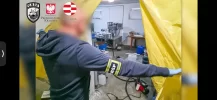
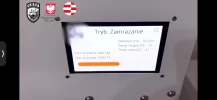
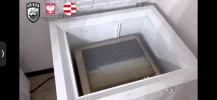
See the description of sterilization process if commercial lyophilization below.
~It starts with mixing steriiized ingredients in a sealed, sterile vessel.
~Using a sterilized lyophilizer.
~Sterilizing the air or inert gas that backfills the vial vacuum space. Like Lobster does.
~Then finally testing the finished vial for sterility of course.
Just like UGL does. Just kidding, they do none of this.
So now uncapped vials are filled with the peptide liquid and left exposed to unsterile air. Anywhere from 20-60% of ambient air bacteria are gram negative.
Loaded into the unsterile lyophilizer, the peptide liquid in the open top vials is exposed to an unsterile environment for hours. Undoubtedly bacteria has found its way into these uncapped vials.
Lyophilization doesn't kill most bacteria, it puts them into cryogenic suspension.
After reconstitution, BAC doesn't kill bacteria. It revives them and only inhibits reproduction.
So far no significant endotoxin is in the vials, just live bacteria.
Once injected, the bacteria may evade immune system surveillance to become a "smoldering" infection, ready to take advantage if the immune system becomes compromised. Or they could form a biofilm on a joint, essentially a stable bacterial colony that forms a gel to protect itself from the immune system, releasing a steady stream of waste, including endotoxin.
Or the bacteria divide until they exceed the critical mass needed to catch the attention of the immune system, which will eventually kill them.
When dividing and after destruction by immune cells, gram negative bacteria leave pieces of their cell wall behind, aka endotoxin. This circulating endotoxin is the source of low level inflammation.
By removing bacteria with an .22um filter, ensuring a sterile solution, you avoid this.



 tvpworld.com