Clinical CKD/diabetic nephropathy trials used 10–15 g raw root/day.
Best choice for kidneys: A product standardized to polysaccharides (APS) at a dose giving you ~10 g raw equivalent/day.
What does this mean:
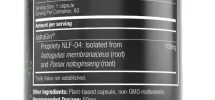
The one I had:
2 servings = 10 g raw root equivalent, ~350 mg polysaccharides thus right in the range used in human kidney trials
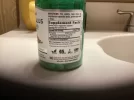
The one you had:
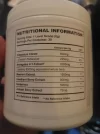
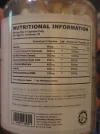
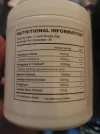
Per serving (3 caps): 450 mg of 10:1 extract → ≈ 4.5 g raw root equivalent.
Not standardized to polysaccharides (just “whole extract”), so less precise.
To match trial dosing, you’d need 2 servings/day (≈9 g raw equivalent).
Final thoughts:
Dose-wise: 2 servings of your green bottle = clinical range.
Quality-wise: Zazzee is the safer bet because it guarantees polysaccharide content, while your green bottle may or may not match.
Foe the Whole Astragalus Root Powder
It’s literally ground raw root, usually taken by the teaspoon.
1 teaspoon (~3 g powder) = 3 g raw root equivalent (since it is raw root).
To hit the clinical trial range (10–15 g/day) → you’d need about 3–5 teaspoons daily.
Is it better or worse:
Pros:
Cheapest way to get grams in bulk.
Matches the doses used in traditional decoctions and Chinese RCTs.
Simple: you know you’re getting “whole plant.”
Cons:
Not standardized → polysaccharide content can vary wildly (5–20%).
Bulk dosing is inconvenient (multiple teaspoons daily).
Taste can also he issue.
Comparison between all 3:
Zazzee (20:1 standardized to 70% polysaccharides):
2 caps/day ≈ 10 g raw equivalent with guaranteed ~350 mg polysaccharides.
Convenient, clinical precision.
Green bottle (10:1, not standardized):
2 servings/day (6 caps) ≈ 9 g raw equivalent, but polysaccharide content not guaranteed.
Powder (raw):
- 10 g/day = ~3–4 teaspoons.
- Most cost effective, but least controlled for
TLDR;
If cost is the priority the. powder works, just less consistent.
If you want clinical reliability (same as in studies) → Zazzee 2 caps/day is the best.
Your green bottle can work if doubled, but it’s less standardized than Zazzee.
Side bar:
Why tf am I talking about the polysaccharides? Is it rly that important?
Astragalus root contains many compounds (saponins, flavonoids, polysaccharides).
Kidney clinical trials (CKD, diabetic nephropathy, dialysis patients) used extracts standardized to Astragalus polysaccharides (APS).
Outcomes (slower eGFR decline, lower creatinine, less proteinuria) are linked directly to APS content.
So practically:
If your astragalus product doesn’t list standardized polysaccharides, you don’t really know how much of the “active” kidney-protective fraction you’re getting.
Zazzee 20:1 extract (70% polysaccharides) is closer to what was actually studied.
Raw root powder or generic 10:1 extracts like the green bottle do contain polysaccharides, but in unpredictable amounts. You might get enough, or you might not.



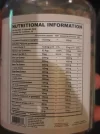
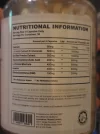


 Strong, targeted protection.
 Mostly for absorption, not kidney.
 Minimal relevance for kidneys.