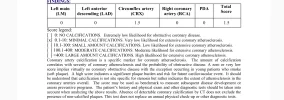
Vitamin K2 (MK7) has been shown in some trials to slow the progression of atherosclerotic plaque. The data is not conclusive, however. There are several trials that show no effect.
For plaque regression it seems that one must achieve a very low level of LDL as was done with a PCSK9 inhibitor plus statins in the GLAGOV trial. Here's a summary:
NEW ORLEANS: Cleveland Clinic researchers have found that adding the injectable cholesterol-lowering drug evolocumab (Repatha) to full doses of statin drugs reversed the buildup of cholesterol plaques in the coronary artery walls after 18 months of treatment. Patients receiving the combination...

newsroom.clevelandclinic.org
JACC published a review in 2022 on reversal here:
Indicates pretty much the same thing.
The DANCODE trial is underway to directly measure whether K2 lowers CAC scores:
1. Abstract Introduction Coronary artery calcification (CAC) and especially progression in CAC is a strong predictor of acute myocardial infarction and cardiovascular mortality. A substudy in the recent Danish study, AVADEC, suggested a protective role of supplementation with vitamin K2 and D...
ctv.veeva.com
There was evidence of plaque regression demonstrated as early as 2005ish in the REVERSAL trial. They used high doses of statins to achieve very low LDL levels and subsequently saw a reduction in plaque volume. I posit that similar results can be achieved today using a poly-pharmacy approach obviating the need to use a high intensity statin. The review by JACC in 2022 suggests as much.
Presently, I take 10mg Rosuvastatin, bempedoic acid, ezetimibe, and Repatha. My last LDL-C measurement was 17mg/dL
Of note is the fact that all of these trials demonstrated a reduction in plaque volume, but none of them measured calcified plaque, which is only a crude measure of plaque burden in any case. It represents the end stage of plaque progression and is easy to spot on a CT scan. If it's there, you know that something bad has happened. However, once conditions that led to its existence are reversed, soft plaque may diminish, but the calcified plaque will not. Risk of a MACE will have been reduced, but not indicated in a subsequent CT-CAC.
If we could all get CT-A that'd be for the best. Unfortunately, it's not cheap and insurance won't cover it unless you're nearly dead already.