Bitcoin currently survives because miners extract value (block awards) put into the system by new entrants/money, who in so doing keep the price propped up. If the price were to fall due to a lack of new inflows, the miners would have no incentive to keep mining. In the non crypto world, this sort of system is normally known as a pyramid scheme. It is generally not advisable.
The only other incentive miners have are fees. But a fee structure alone is unlikely to support the system because it is naturally paradoxical and prone to a free-rider problem.
Note,
simple (yes simple) calculations suggest once pyramidal incentives are removed, it could take months before a bitcoin payment is completed.
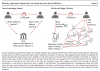
Meanwhile, with respect to the Lightning Network (the favoured solution to Bitcoin's scaling challenge): the BIS says welcome to our club! As
anyone with real experience in banking can tell, the Lightning Network requires social co-ordination or institutionalisation to work, which of course is what the BIS specialises in. Simple centralised solutions, in other words, will always be more effective than decentralised complex ones.
For those who still don't get the reasoning, here's a diagram that explains it neatly:
View attachment 104782
...
In other words, the more the geniuses who brought us bitcoin try to solve inherent problems in their system, the more they recreate and replicate the systems we have already.
Which begs the question: how much money have we wasted figuring stuff we already knew out?
Business leaders (especially in finance) should be wary of Techsplaining IT folk who claim they understand their underlying businesses better than they do.