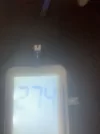
Blood glucose is 200

I have to disagree, forum help espcially at this stage is key..... someone competent you think doctors especially the regular ones are competent and know what to do especially when enhanced? A regular joe doctor will say welp you have diabeetus here some insulin.

Im fairy sure they won't prescribe him Tirz either at this stage......

U know how many so called stage 2 diabetics have been misdiagnosed and actually reversed because of help from forums? Same with kidney issues people where the doctor was rushing them on dialisys they did an astragalus+ cure and got their kidneys magically working again.......

But sure go to doctor and get the generic diagnosis
I understand exactly what you mean but I am taking into account how many unknown variables there are here.

Excellent advice is easy to type out but if someone is drinking sugar all day, taking 10iu GH and wondering why fasting glucose is 200, likelihood of them getting things right on their own is low.

Furthermore going down the route of UGL adds so much trouble when you need it urgently.

On doctors, trust me I know, but here is a counter argument. If you can't for yourself see when your doctor doesn't know, why would you be that much better off without them? If your doctor is showing those signs, question them and in one go ask them to explain themselves and present the facts on when they're wrong. If they can't hold their own, change doctor.

Distrusting doctors shouldn't go so far that you refuse help from them. Use your brain and you'll develop new contacts and have doctors that know far beyond you can imagine, simply because it is their job and they do this day in day out for decades and have read more research papers than you have the time for in a lifetime.

BTW my dad is a diabetic and 20 something years ago they couldn't even manage to give him a diet to help his situation. I did it for him (even though he is an old lifter, his eating habits were shit, hence diabetes) and he needed much less insulin. Nowadays he has a group of professionals, one of them being a dietician that specializes in diabetics, who give him pretty much the same nutrition advice I did 20 years ago lol.

TLDR he can go to a doctor AND absorb the advice from here and gain the benefits from both options.
 
GLP1 stands for glucagon-like peptide-1, which Reta is. It's just a GLP1 that also has a gastric inhibitory polypeptide (GIP), and a glucagon receptor agonist.

I don't mean to be Mr. Pedantic but saying it's not a GLP1 is categorically false. It's a GLP1 with other things along for the ride.
Reta works on 3 receptors
GLP-1 receptor
GIP receptor
Glucagon receptor (GCGR)
 
Don't add lantus, you won't know if your intervention is yielding any results and it'll mask any progress. You're not diabetic (yet)....... With lantus ofcourse you will have lower fbg but once you remove it will creep back up..... get on a glp1 instead preferably tirz
If OP has insulin resistance a GLP1 will help. If he has pancreatic insufficiency then he needs insulin. I noticed insulin resistance on HGH even when on a GLP1.
It’s definitely HGH induced I use to eat 6000 calories or junk food everyday and have normal blood glucose readings. Once I used hgh I started going to shit and then I forgot to check on it for a few months
 
Ideally I should’ve been watching my blood glucose and eather added slin sooner or drop the gh dose . Now I’m in a weird position I’m not really informed on how to get out of
Drop the loads off sugar, carbs or use Lantus.
Reta does not work that fast at all

Glucagon exerts effects on the mammalian heart. These effects include alterations in the force of contraction, beating rate, and changes in the cardiac conduction system axis. The cardiac effects of glucagon vary according to species, region, age, and concomitant disease. Depending on the species and region studied, the contractile effects of glucagon can be robust, modest, or even absent. Glucagon is detected in the mammalian heart and might act with an autocrine or paracrine effect on the cardiac glucagon receptors. The glucagon levels in the blood and glucagon receptor levels in the heart can change with disease or simultaneous drug application. Glucagon might signal via the glucagon receptors but, albeit less potently, glucagon might also signal via glucagon-like-peptide-1-receptors (GLP1-receptors). Glucagon receptors signal in a species- and region-dependent fashion. Small molecules or antibodies act as antagonists to glucagon receptors, which may become an additional treatment option for diabetes mellitus. Hence, a novel review of the role of glucagon and the glucagon receptors in the mammalian heart, with an eye on the mouse and human heart, appears relevant. Mouse hearts are addressed here because they can be easily genetically modified to generate mice that may serve as models for better studying the human glucagon receptor.
Glucose-dependent insulinotropic polypeptide (GIP) and glucagon-like peptide-1 (GLP-1) are two incretins that bind to their respective receptors and activate the downstream signaling in various tissues and organs. Both GIP and GLP-1 play roles in regulating food intake by stimulating neurons in the brain’s satiety center. They also stimulate insulin secretion in pancreatic β-cells, but their effects on glucagon production in pancreatic α-cells differ, with GIP having a glucagonotropic effect during hypoglycemia and GLP-1 exhibiting glucagonostatic effect during hyperglycemia. Additionally, GIP directly stimulates lipogenesis, while GLP-1 indirectly promotes lipolysis, collectively maintaining healthy adipocytes, reducing ectopic fat distribution, and increasing the production and secretion of adiponectin from adipocytes. Together, these two incretins contribute to metabolic homeostasis, preventing both hyperglycemia and hypoglycemia, mitigating dyslipidemia, and reducing the risk of cardiovascular diseases in individuals with type 2 diabetes and obesity. Several GLP-1 and dual GIP/GLP-1 receptor agonists have been developed to harness these pharmacological effects in the treatment of type 2 diabetes, with some demonstrating robust effectiveness in weight management and prevention of cardiovascular diseases. Elucidating the underlying cellular and molecular mechanisms could potentially usher in the development of new generations of incretin mimetics with enhanced efficacy and fewer adverse effects. The treatment guidelines are evolving based on clinical trial outcomes, shaping the management of metabolic and cardiovascular diseases.
 
Last edited:
You're 21 and have given yourself diabetes, don't need to be worried about growing or figuring out how to have a soft landing here where you don't lose muscle. There's many years ahead of you to worry about that, now is the time to pull the ejection handle.

You already have severe insulin resistance, tossing in a bunch of insulin might just kick off a roller coaster you'll have a hard time getting off. Treat yourself as a doctor would, GLP-1/metformin or GLP-1 + SGLT2i if you have access. Cardio, forget the GH.
 
Lots of great advice given here and hopefully the OP reads and heeds them. I want to believe this is real but starting to feel this is all a troll act.
It’s not dude I’m just a 21yo old dumbass, what would be the point of making this up, I’m here to get information. The photo is my blood glucose
 

Attachments

  • IMG_2748.webp
    IMG_2748.webp
    722.9 KB · Views: 7
I slightly changed my diet , no sugar water , all carbs r from potatoes or sourdough , increased my fats from 40 to 120 and hgh got dropped
Bro you are a beast, don't waste the opportunity for greatness by fucking up your health. Good job on dropping the GH.

These extremely high blood glucose levels are toxic to everything in your body, like having microscopic sand paper creating wounds in your arteries, nerve cells, organs et.c. My dad left it untreated and now has nerve damage/tremors, can't even write something it is unreadable, has a hard time holding a glass of water.

Apart from the great advice in this thread, try these things immediately: metformin, berberine, psyllium husk, fish oil. They are very easy to obtain and take.

It would be best to consult with a doctor too and have someone from that field for support, you don't know yet if you can fully resolve this on your own.
 
IMO there’s absolutely zero reason for bodybuilders to be on a GLP1 when Reta exists

Your technically correct Reta is a Triple incretin receptor agonist. Obviously you already know that.

GLP1 only activate 1 receptor.

GLP1 makes you eat less. Triple incretin agonists make you eat less and burn more fat at the same time. It got lumped in by convenience due to the mechanism. It is however not a GLP1 stand alone.
 

Sponsors

Latest posts

Back
Top